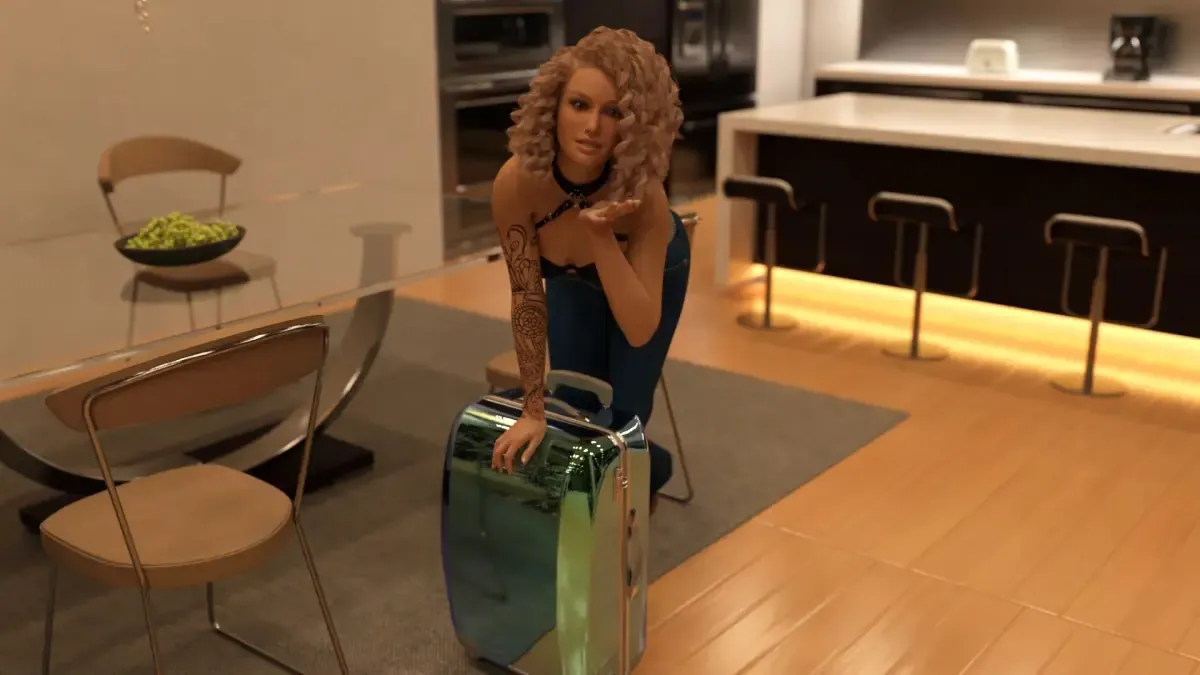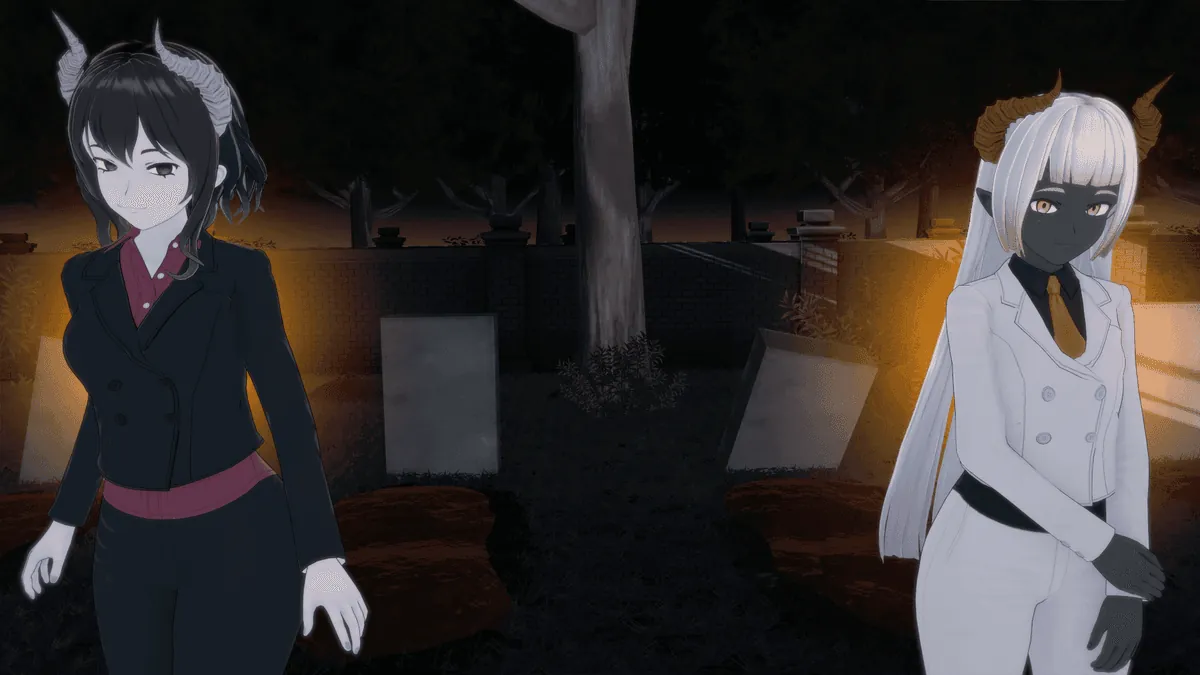
Demons of the Hearth
Play Demons of the Hearth
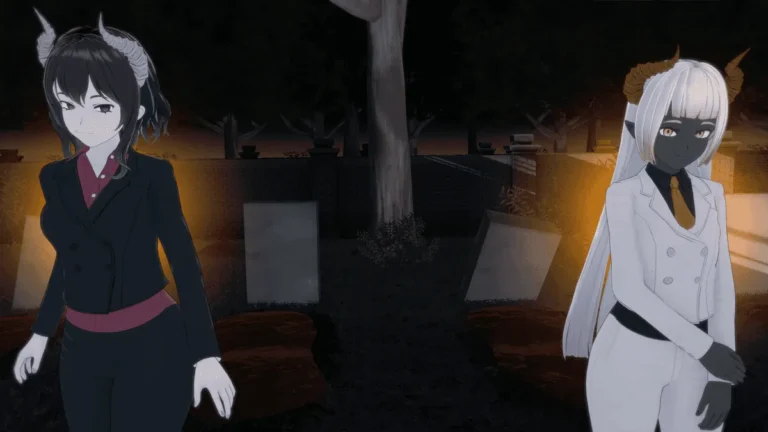
Demons of the Hearth Screenshots
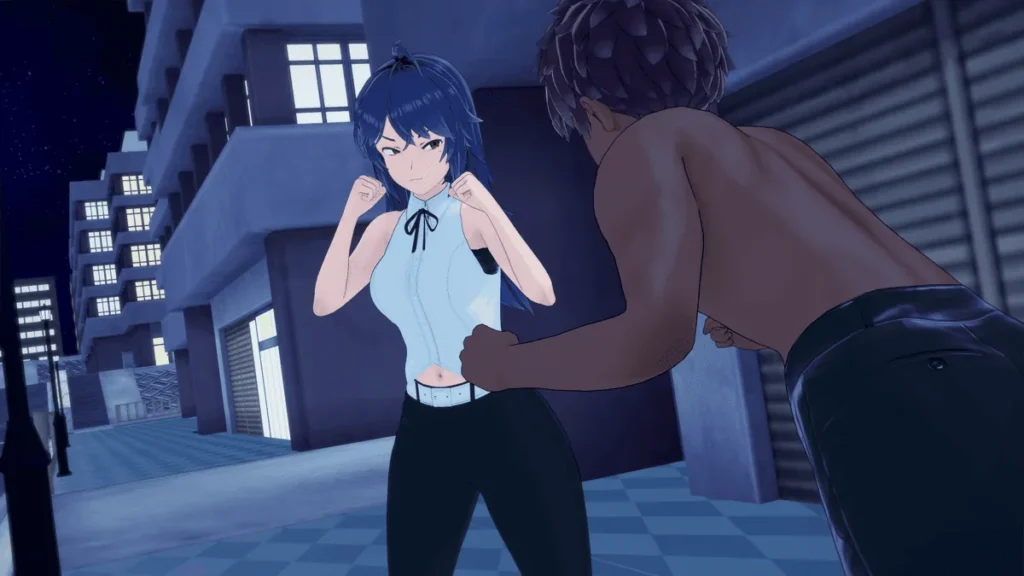
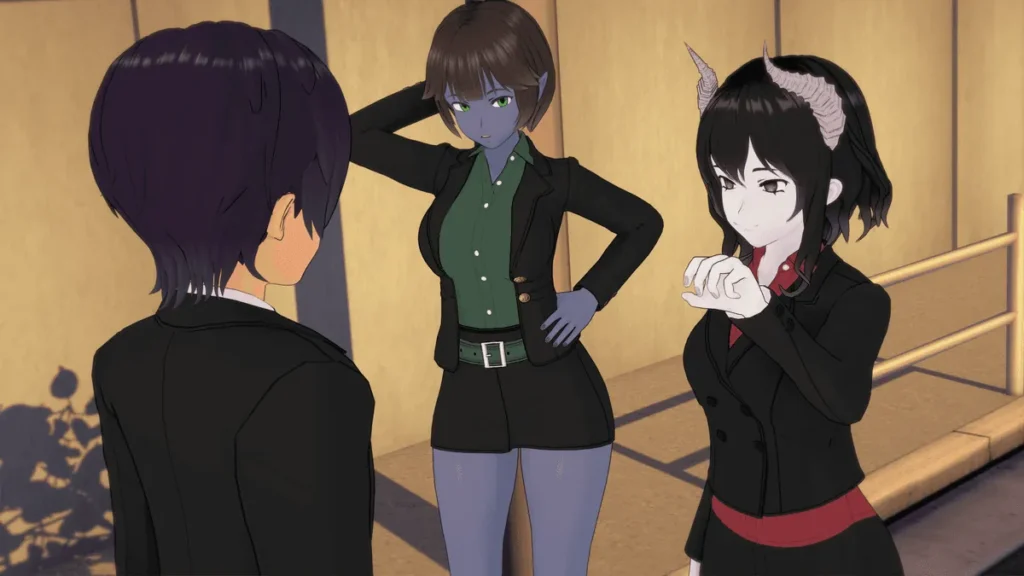
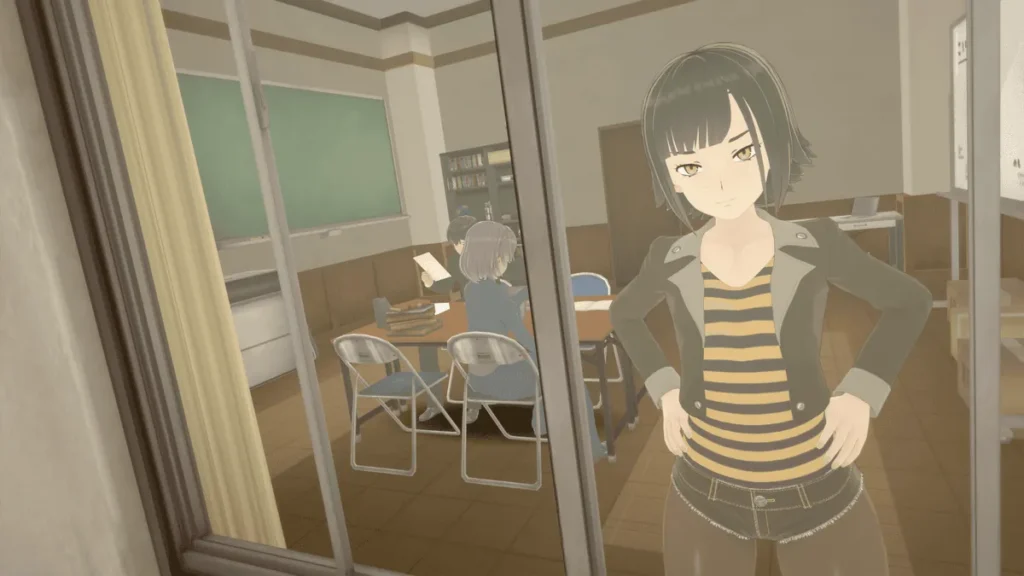
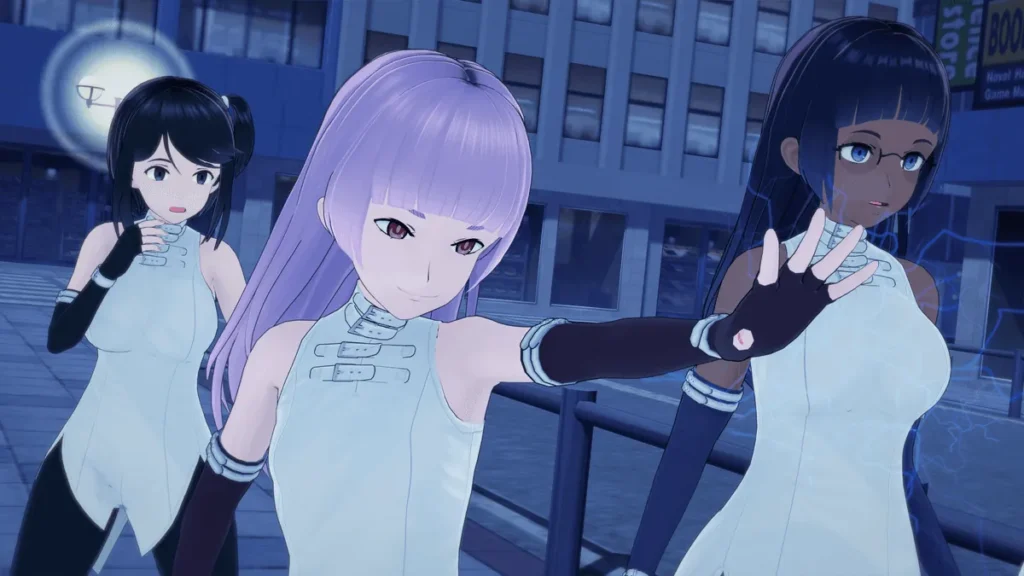
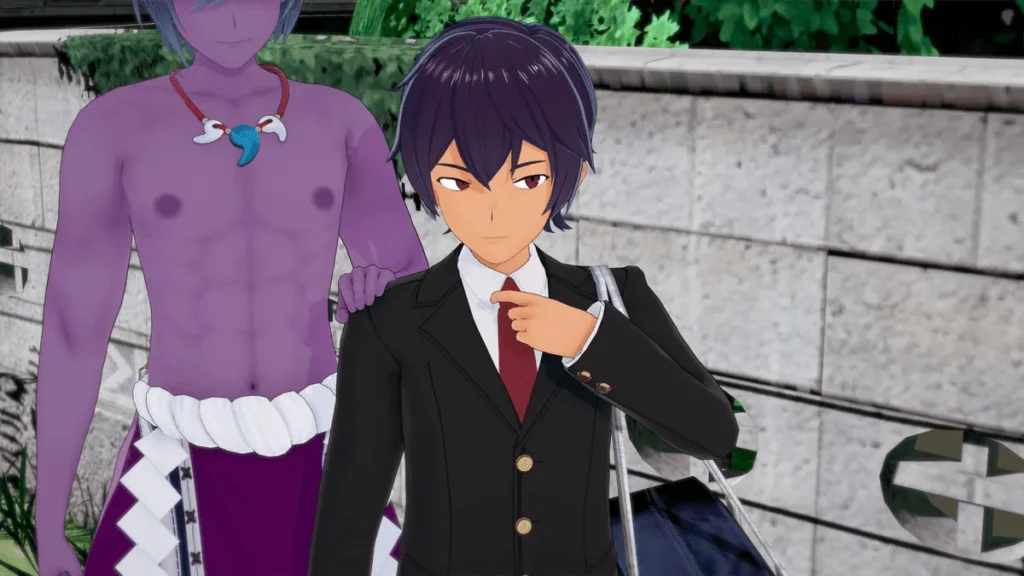
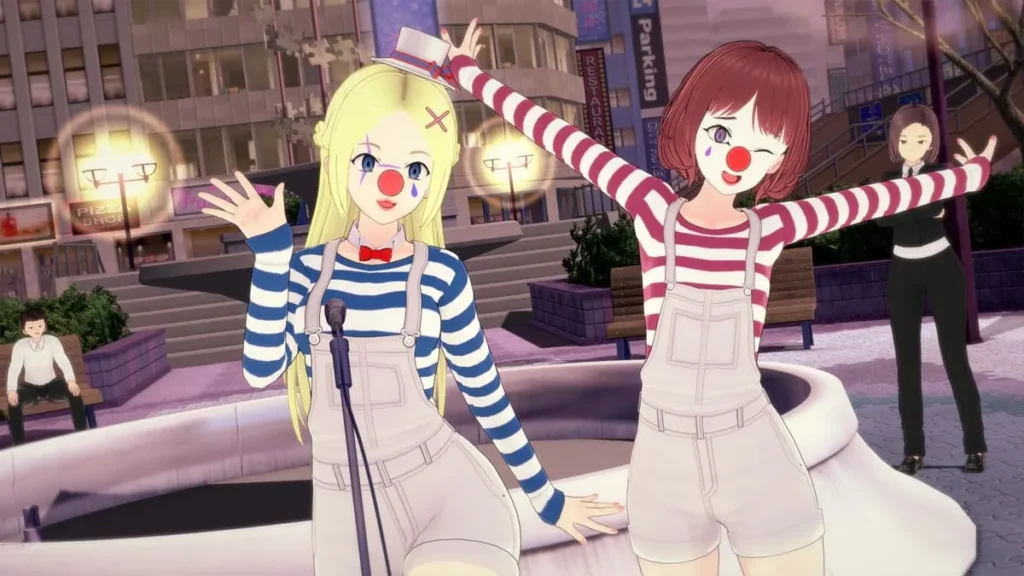
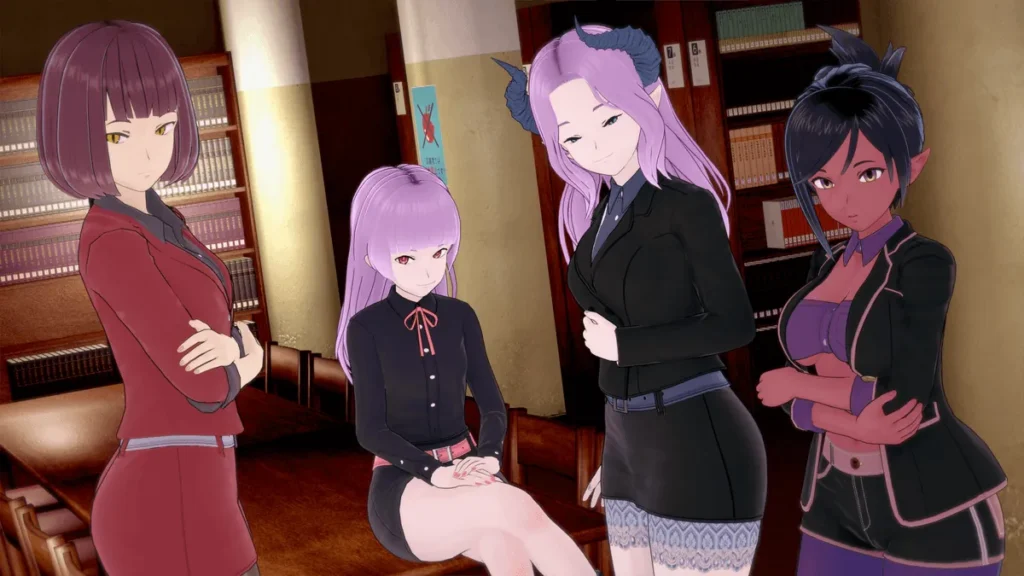
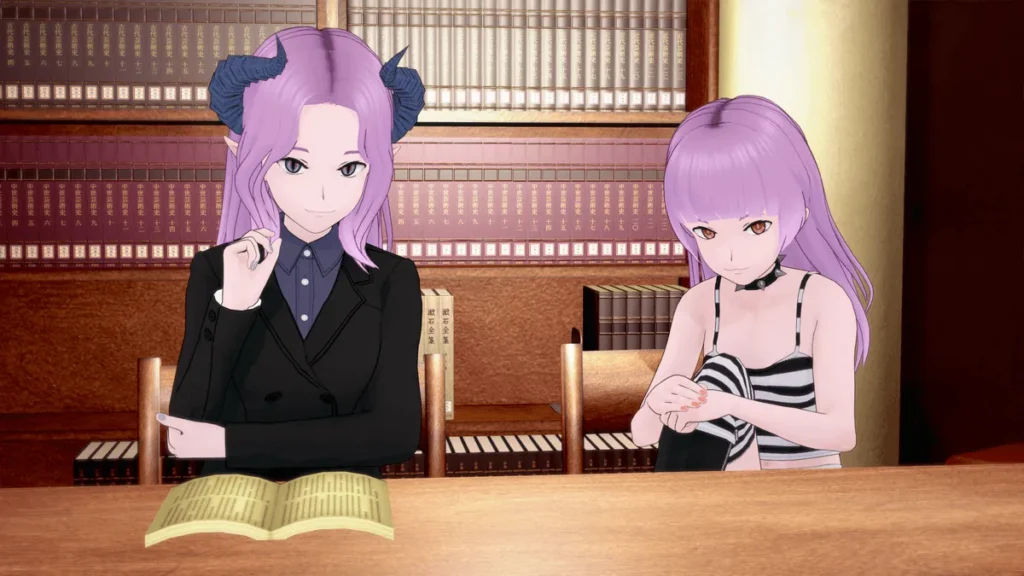
Demons of the Hearth review
Explore the narrative depth, character development, and immersive mechanics of this acclaimed interactive experience
Demons of the Hearth stands out as a captivating interactive game that seamlessly blends rich storytelling with immersive character development. This guide explores the core elements that make Demons of the Hearth a memorable experience, from its compelling narrative and diverse cast to its innovative trust system and engaging gameplay mechanics. Whether you’re curious about the plot, interested in understanding the characters, or wondering how the game’s unique mechanics work, this comprehensive overview will help you decide if Demons of the Hearth is the right fit for your gaming preferences.
Understanding Demons of the Hearth: Narrative, Characters & Gameplay Mechanics
Have you ever played a game that lingered in your mind for days, not because of a challenging boss fight, but because of a quiet conversation that felt startlingly real? That was my experience with Demons of the Hearth. I went in expecting a ghost story, but what I found was a profound exploration of family, memory, and the quiet burdens we all carry. The real demons here aren’t spectral entities, but the unresolved regrets and fragile hopes of the people living in a crumbling old house. It’s this brilliant twist that forms the core of the Demons of the Hearth story, transforming it from a simple supernatural tale into a deeply human drama. 🏚️✨
This isn’t a game you “beat” in the traditional sense. It’s an experience you navigate, a series of relationships you nurture or neglect. Every choice, from the grand to the mundane, ripples outward, shaping not only the plot but the very souls of the characters you meet. If you’re ready to dive into one of the most thoughtful interactive narrative game experiences available, let’s unpack what makes it so special.
What Makes Demons of the Hearth’s Story Compelling?
At its heart, the Demons of the Hearth story is about homecoming and haunting. You play as a character returning to a grand, aging family home after a long absence, tasked with settling the estate. The premise seems straightforward, but the narrative depth quickly reveals itself. The house itself is a character, whispering secrets through creaking floorboards and half-remembered objects in dusty attics. The “demons” are metaphorical—the lingering grief over a lost parent, the simmering tension between siblings, the weight of family expectations, and the personal dreams that were sacrificed along the way.
What makes this narrative so powerful is its pacing and respect for silence. This isn’t a plot hurrying you from one explosive revelation to the next. It’s a slow burn, mimicking the real process of reconnecting with family and confronting the past. You’ll spend afternoons sorting through old photographs, evenings sharing awkward meals, and nights lying awake listening to the sounds of the house. These quiet moments are where the story truly lives. The game masterfully uses environmental storytelling; a worn-out chair by the window, a collection of unused paintbrushes, or a discordantly modern coffee maker in the vintage kitchen all tell silent stories about the people who live here.
The brilliance of this interactive narrative game is that the central supernatural mystery—the faint, unexplained occurrences in the house—serves as a mirror to the emotional turmoil of its inhabitants. Is that a ghostly chill, or the cold distance between you and your pragmatic sister? Is that a shadow in the hall, or the looming presence of your family’s unspoken history? The game leaves room for interpretation, ensuring the Demons of the Hearth story becomes your story, shaped by what you choose to investigate and believe.
Character Diversity and Non-Linear Development in Demons of the Hearth
Forget cardboard-cutout NPCs with a single defining trait. The Demons of the Hearth characters are messy, complex, and beautifully written. Your interactions with them don’t just unlock new dialogue trees; they fundamentally change who they are and how their personal journeys conclude. This is where the game’s concept of character development Demons of the Hearth truly shines—it’s reactive, non-linear, and deeply rewarding.
Let’s meet a few key figures you’ll be sharing this space with:
- Your Older Sister (The Pragmatist): Burdened with the practical and emotional responsibility of holding the family together, she can come across as cold, critical, or dismissive. Push against her too hard, and she’ll shut down. But show understanding for the immense pressure she’s under? You might glimpse the vulnerable, weary person beneath the sturdy exterior who misses the sibling she once knew.
- Your Uncle (The Nostalgist): Living in the past, he’s a treasure trove of family history and wistful stories. It’s easy to write him off as irrelevant to the “real” problems. But engaging with him isn’t just about being kind; his rambling anecdotes often contain crucial, overlooked clues about the house’s history and the origins of the family’s current strife.
- Rhys (The Enigmatic Neighbor): 🕵️♂️ Perhaps the most intriguing of the Demons of the Hearth characters, Rhys seems to know more about the house and its oddities than they let on. Are they a potential ally, a mysterious observer, or something else entirely? Building trust with Rhys requires patience and careful attention to their cryptic hints, and their path is one of the most variable in the game.
The following table gives a clearer overview of how these core relationships function:
| Character | Key Personality Traits | Role in the Story | Trust Building Insight |
|---|---|---|---|
| The Older Sister | Pragmatic, Burdened, Protective, Secretly Vulnerable | Represents the weight of present responsibility and familial duty. Her storyline is about acknowledging sacrifice. | Trust isn’t built by always agreeing. Sometimes, taking on a chore without being asked speaks louder than words. |
| The Uncle | Nostalgic, Kind, Distracted, Keeper of Memory | Acts as the living connection to the family’s past. His memories hold keys to understanding the “demons.” | Listening patiently to long stories builds deep affinity. Rushing him breaks connection. |
| Rhys (The Neighbor) | Observant, Cryptic, Independent, Intuitively Connected | The outsider with insider knowledge. Provides an alternative perspective on the supernatural events. | Trust is fragile and built on subtlety. Pressing for direct answers often backfires. Offer help instead. |
This character development Demons of the Hearth champions is never a straight line from “stranger” to “best friend.” Characters have good days and bad days. They remember your past slights and your small kindnesses. The system tracks a complex web of impressions, making every interaction feel consequential.
How Does the Trust System Work in Demons of the Hearth?
Now, let’s dive into the brilliant mechanic that makes all this possible: the trust system gameplay. This isn’t a simple “like” bar that fills up when you pick the obviously nice dialogue option. In fact, that’s a surefire way to stall your relationships. The trust system in Demons of the Hearth is a nuanced simulation of human connection. 🤝
A key insight: Often, respectful disagreement or challenging someone’s self-destructive viewpoint builds more trust than mindless agreement. Your sister might respect you more for thoughtfully pushing back on her plan to sell a cherished heirloom than for meekly nodding along.
Trust is built through consistent, authentic engagement, not grinding. It’s woven into every aspect of the choice-driven gameplay:
* Dialogue Choices: There are rarely pure “good” or “bad” choices. Is it better to be brutally honest or gently evasive? The “right” answer depends on the character, their current mood, and your history with them.
* Actions Over Words: The game’s visual novel mechanics are expanded by your actions in the sandbox exploration mode. Choosing to repair a broken step your uncle almost trips on, or making a cup of tea for your sister after a long day, are quiet trust-building actions that often carry more weight than any dialogue selection.
* Hidden Stats & Personal Growth: Here’s a fascinating layer: your choices also build hidden stats for your own character. Are you becoming more Empathetic, Practical, Inquisitive, or Nostalgic? These hidden traits don’t just change how you see the world; they unlock new response options and can influence how characters perceive and react to you. A highly “Inquisitive” protagonist might gain unique options to question Rhys’s theories, for example.
How Events Unfold: A World That Breathes
The game doesn’t hold your hand with quest markers. Story and side events trigger based on a beautiful, logical system:
1. Location Visits: Going to the garden in the morning might trigger one conversation. Visiting the same garden at night could trigger a completely different, more private moment.
2. World State Conditions: An event may only become available after you’ve reached a certain trust level with two characters, or after you’ve discovered a specific clue in the house. The world feels alive and reactive.
3. Sandbox Exploration: Between major story beats, you’re free to explore the house and grounds. This isn’t empty time—it’s your opportunity to investigate clues, find items that can trigger conversations, or simply be in the right place at the right time to overhear something important.
This organic structure makes every playthrough unique. You might completely miss a character’s pivotal side story on one run because you never visited the library after gaining their trust. This is the cornerstone of the game’s immense replayability.
Frequently Asked Questions About the Trust System
- How do I build trust if agreeing all the time is wrong?
Think of it like a real relationship. Show you’re listening by referencing past conversations. Offer help tailored to their specific needs (hint: pay attention to what they complain about or cherish). Sometimes, a silent action—like fixing something they mentioned was broken—is the most powerful trust-builder. - Is there grinding or can I ruin relationships permanently?
There’s no grinding. Meaningful interaction, not repetition, builds bonds. While you can significantly damage relationships, the game is about reconciliation and realism. Even a badly damaged bond can often be mended with sincere, consistent effort, though it will be a longer, harder path—much like in life. - How do the hidden stats work?
Your choices slowly define your protagonist’s personality. If you often choose curious or investigative actions, your “Inquisitive” stat grows. High stats in an area will unlock special dialogue or action options that weren’t available before, allowing for more specialized and profound interactions. - How do I know when new events are available?
The game doesn’t use traditional quest logs. You have to be observant. Pay attention to character dialogue for hints (“I’ll be in the study later…”), and get into the habit of exploring different locations at different times of the in-game day. The world responds to your progress.
The true magic of Demons of the Hearth is how it all synthesizes. The Demons of the Hearth story provides the poignant framework. The deep character development Demons of the Hearth delivers the emotional payload. And the innovative trust system gameplay and choice-driven gameplay give you the authentic, consequential tools to navigate it all. It’s a masterclass in visual novel mechanics, expanded into a living, breathing world that remembers your every choice. You’re not just reading a story about letting go of the past; you’re actively participating in the delicate, beautiful, and often painful process of doing so. It’s an experience that stays with you, a gentle reminder that the most important journeys are the ones we take to understand each other. 🌿❤️🩹
Demons of the Hearth delivers a compelling blend of narrative depth, diverse characters, and engaging gameplay mechanics that create a memorable interactive experience. The game’s innovative trust system, where respectful disagreement can be more powerful than constant agreement, sets it apart from typical narrative-driven games. With its non-linear character development, meaningful side quests, and choice-driven storytelling, Demons of the Hearth offers substantial replayability and emotional investment. Whether you’re drawn to rich storytelling, character-driven narratives, or immersive interactive experiences, Demons of the Hearth provides a world worth exploring. Dive in and discover the stories and connections waiting at your hearth.