
Imperium Bureaucracy Hero
Play Imperium Bureaucracy Hero
Imperium Bureaucracy Hero Screenshots


Imperium Bureaucracy Hero review
Explore gameplay mechanics, storytelling, and community reception of this unique interactive experience
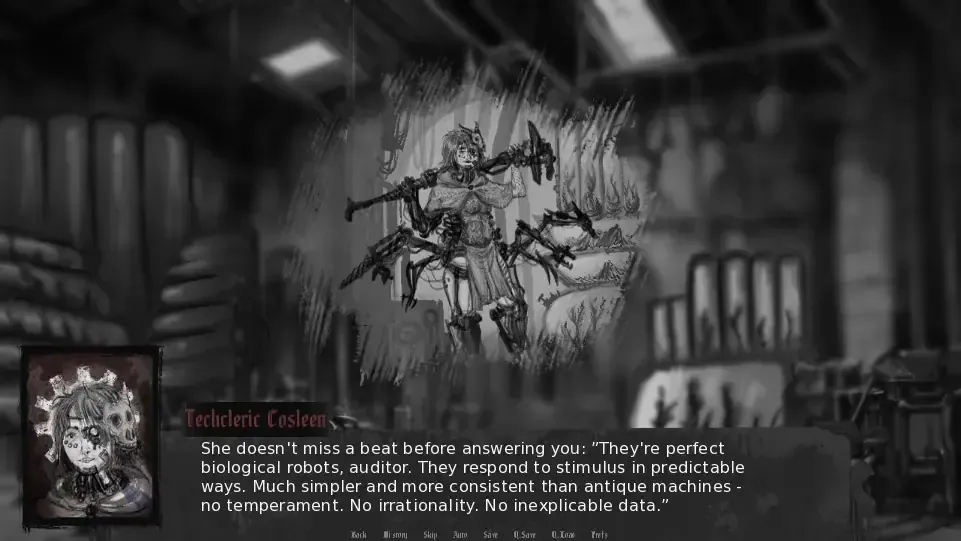
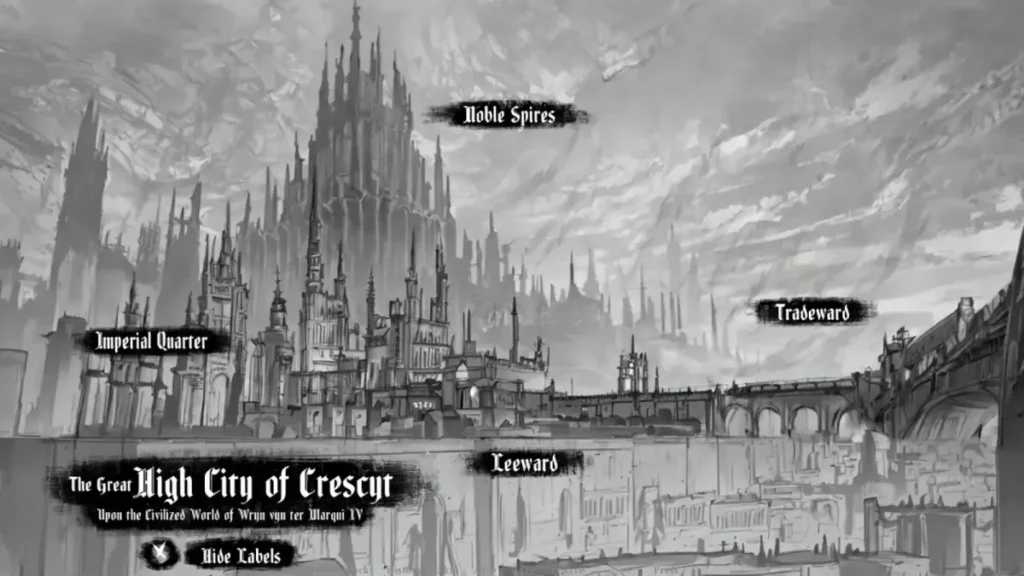
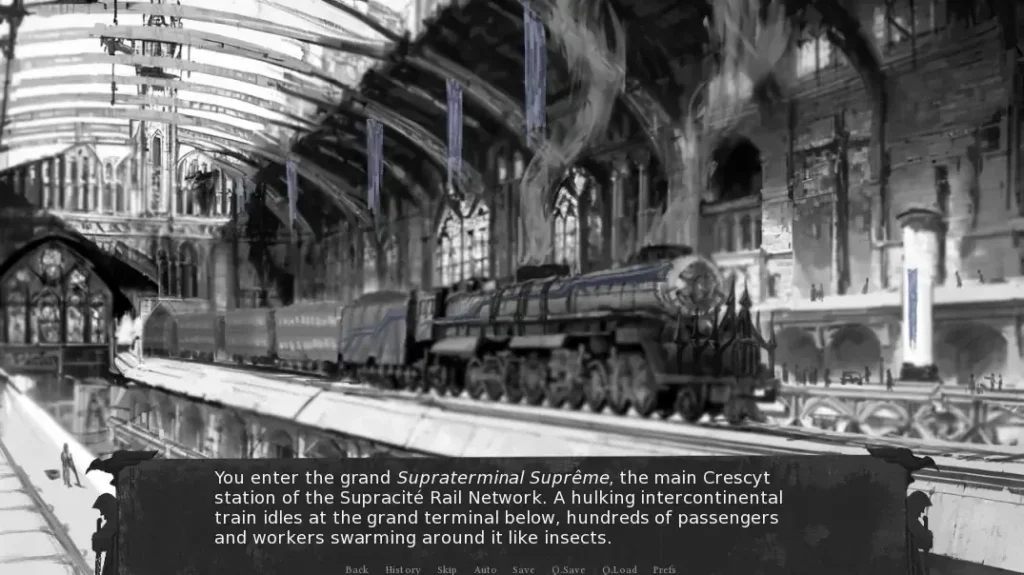
Imperium Bureaucracy Hero stands out as a narrative-driven interactive experience that combines dark humor with meaningful storytelling. Inspired by the Warhammer 40K universe, this game invites players to step into the role of a corrupt administrator navigating moral dilemmas and unexpected relationships. The game has garnered significant attention from players who appreciate its exceptional writing quality and immersive world-building. Whether you’re drawn to the strategic decision-making, character interactions, or the satirical take on bureaucratic power, Imperium Bureaucracy Hero offers a refreshingly different gaming experience that challenges conventional narrative expectations.
Understanding Imperium Bureaucracy Hero: Gameplay and Core Mechanics
So, you’ve heard the name and you’re curious. Imperium Bureaucracy Hero isn’t your typical power fantasy set in the grim darkness of the far future. Forget charging into battle with a chainsword; your most powerful weapon here is a well-stamped form. Your greatest enemy? In triplicate. 😅 This Warhammer 40K inspired game flips the script entirely, offering a unique interactive experience that has captivated players with its wit, depth, and surprising tension.
At its heart, learning how to play Imperium Bureaucracy Hero is about mastering a different kind of warfare: the war of paperwork, procedure, and office politics. You play a mid-level administratum clerk, and your goal isn’t to conquer planets, but to navigate the soul-crushing, galaxy-spanning bureaucracy of the Imperium. Your decisions don’t lead to epic explosions (well, not directly), but to memos being filed, quotas being met, and fragile alliances being formed in the break room. This is a moral choice game where the dilemmas are hauntingly relatable: do you follow the decaying letter of the law to the point of absurdity, or bend rules to achieve a greater, yet unsanctioned, good? Let’s dive into the machinery that makes this brilliant satire tick.
What Makes This Interactive Experience Unique?
The genius of Imperium Bureaucracy Hero gameplay lies in its sublime fusion of setting and mechanics. The Imperium of Man is the perfect backdrop for a game about bureaucracy—it’s a bloated, ritualistic, and horrifyingly inefficient empire where a single clerical error can doom an entire world. The game leverages this lore not just for aesthetics, but as the core driving force of every interaction. You’re not just in the 40K universe; you are actively propping up its most mundane yet terrifying aspect.
This is achieved through its brilliant interactive narrative game mechanics. The game presents itself largely through text and static art, but the feeling of agency is profound. You are constantly presented with dialogue choices, form-completion mini-games, and strategic decisions on how to allocate your limited time and resources. Will you spend your afternoon auditing the low-priority Munitorum shipment logs, or schmooze with the Adept from the Divisio Logisticam to unlock a smoother path for your main project? Every action consumes time, and time is the ultimate currency.
The core loop is a masterclass in pressure. You’re given a central task—say, authorizing the tithe for a frontier world—and must gather signatures, cross-reference data-slates, and manage relationships across different departments to see it through. The tension comes from the branching paths and hidden consequences. Rushing a form through without the proper seals might solve an immediate problem, but could trigger an audit from the Ordo Scriptorum that derails everything later.
Pro Tip: Treat your daily “work energy” like a general treats his troops. Never commit all your resources to a single front without leaving a reserve for unexpected crises. A sudden demand from a visiting inquisitor can ruin your whole week’s plan!
Here are the key gameplay features that define this unique interactive experience:
- The Paperwork Puzzle: At its most basic, gameplay involves completing forms. This isn’t just busywork; it’s a puzzle. You must find the correct data, apply the right stamps (each with its own procedural requirement), and navigate contradictory directives.
- The Relationship Web: Your success is 90% dependent on people. Every character has a disposition towards you and their own goals. Help them, and they might expedite your request. Ignore them, and they might “lose” your file.
- The Moral Calculus: The game constantly pits efficiency against dogma, mercy against protocol. Choosing the “human” option often means breaking Imperial law, with potentially severe repercussions.
- The Narrative Snowball: Small choices compound. A favor you called in during Chapter 1 might be repaid (or called due) in Chapter 3, in a way that completely changes your available options.
To visualize the core pillars of the Imperium Bureaucracy Hero gameplay, consider this breakdown:
| Gameplay Pillar | Mechanic | Player Experience |
|---|---|---|
| Administrative Execution | Form-filling, data cross-referencing, stamp application mini-games. | A sense of tangible progress through puzzle-solving, mixed with the satire of red tape. |
| Social Navigation | Dialogue trees with disposition tracking, favor systems, and reputation meters per department. | Deep engagement with the world and characters, where every conversation is a strategic resource. |
| Consequential Strategy | Time/resource management, long-term choice tracking, and branching narrative flags. | High-stakes planning and the thrilling (or dreadful) weight of seeing past decisions resurface. |
Character Interactions and Relationship Building
If the paperwork is the skeleton of the game, the characters are its heart and soul. The character relationship system in Imperium Bureaucracy Hero is what elevates it from a clever concept to a memorable narrative. You’re not dealing with archetypes; you’re dealing with people—flawed, scared, ambitious, and devout—all trapped in the same galactic-sized machine.
Each department head, fellow clerk, and tech-priest you meet has a clearly defined personality and, more importantly, their own agenda. Your relationship with them is a fluid resource, measured not just by a simple “like/dislike” meter, but by complex flags tracking debts, secrets, and perceived loyalty. The Adept in the Departmento Munitorum might love you for fast-tracking his supply requests, but the Ecclesiarchy representative might distrust you for the same “unorthodox” efficiency.
This system creates astounding narrative depth. For instance, building a strong rapport with the senile Archivist might give you access to lost precedents that can legally justify radical actions. Conversely, alienating the overseer from the Officio Auditum might mean every one of your forms is scrutinized for a minor infraction, slowing all your projects to a crawl. The interactive narrative game mechanics shine here, as you choose how to interact: do you appeal to their sense of duty, their personal desires, or their fear of authority?
The writing here deserves the praise it gets from the community. Characters reveal themselves through wonderfully verbose and period-appropriate bureaucratic jargon, with hidden layers of meaning and emotion lurking beneath the formal language. A simple memo about “appropriate devotional intervals” might be a character’s coded cry for help against a superior.
| Character Archetype | Typical Motivation | Relationship Strategy |
|---|---|---|
| The By-the-Book Fanatic | Upholding procedure at all costs; fears heresy of innovation. | Always cite official regulations. Never admit to shortcuts. Efficiency is suspect. |
| The World-Weary Realist | Getting the job done with minimal personal pain; understands the system is broken. | They appreciate pragmatic solutions and shared frustration. Favors are a valuable currency. |
| The Ambitious Climber | Seeking promotion and credit; sees others as tools or obstacles. | Offer opportunities that make them look good. Be wary of being used as a scapegoat. |
| The Devout True Believer | Serving the God-Emperor’s will as they interpret it; spiritual purity over material results. | Frame requests in religious terms. Ritual and observance are as important as outcome. |
Strategic Decision-Making and Consequences
This is where Imperium Bureaucracy Hero truly earns its stripes as a premier moral choice game. The decision-based storytelling isn’t about picking a “good” or “evil” path on a slider. It’s about navigating a labyrinth of imperfect, often horrifying, options where every choice has a cost and a consequence that may not be revealed for hours.
The strategic layer is deeply integrated with the narrative. You are constantly managing scarce resources: your daily energy, your social capital with various departments, and your “compliance risk.” A decision might solve your immediate objective brilliantly but tank your reputation with a key faction. Another choice might keep everyone happy in the short term but plant the seeds for a catastrophic systemic failure later.
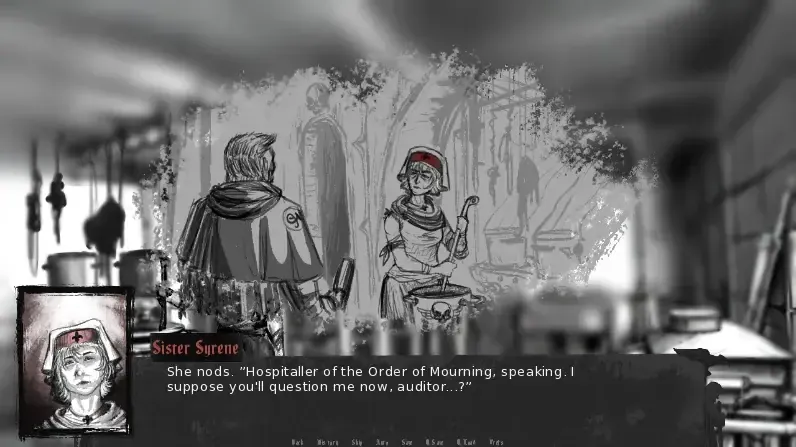
Let’s talk about a famous example from community discussions, the Sister Hospitaller scenario. Early in the game, you may encounter a wounded Sister of Battle who needs urgent, unlogged medical aid from the Medicae reserves. The decision-based storytelling framework presents you with a brutal dilemma:
- Option A (Dogma): Deny the request. The supplies are not allocated for this purpose without a Form 445-B, signed by an Ordos Hospitaller representative. You uphold protocol perfectly. The consequence? The sister likely dies, or is permanently crippled. You may gain respect from strict authoritarians, but you sow bitterness and distrust with the military-minded characters.
- Option B (Compassion/Efficiency): Falsify the logs and authorize the aid. You save a warrior of the Imperium, gaining a powerful, lifelong ally in the process. However, you have committed a clear fraud. This creates a “narrative flag.” Hours later, this could trigger an audit. You might be blackmailed by another character who discovered your transgression. The saved sister might intervene to protect you, creating a whole new chain of events.
This is the essence of how to play Imperium Bureaucracy Hero strategically. You must think like a bureaucrat: not just about the immediate outcome, but about the paper trail, the witnesses, and the precedents you set. The game’s brilliant design ensures there is rarely a “perfect” choice, only a series of trade-offs that shape your unique story. Your playthrough becomes a personal tale of how you, as a single cog, either oiled the machine or caused it to grind in a new and interesting way.
The community raves about this aspect—the feeling that their choices matter in a tangible, narrative sense, not just in a final slideshow. The writing supports this entirely, with follow-up scenes, changed dialogue, and new obstacles or opportunities reflecting your prior actions. It’s a powerful demonstration of interactive narrative game mechanics working in harmony with a compelling setting.
Ultimately, Imperium Bureaucracy Hero is more than a game; it’s a sharp, witty, and often deeply philosophical exploration of systems, morality, and human (and trans-human) nature under pressure. It proves that the most gripping battles can be fought with a data-slate and a signature stamp, and that the weight of a moral choice can feel just as heavy in an office cubicle as on a battlefield. Its character relationship system and ruthless decision-based storytelling create a unique interactive experience that stays with you long after you’ve filed your last report.
Imperium Bureaucracy Hero represents a compelling entry in narrative-driven gaming, distinguished by its exceptional writing, meaningful player agency, and willingness to explore unconventional themes. The game’s strength lies in its ability to balance dark humor with genuine emotional moments, creating a world where bureaucratic decisions carry real weight. Community reception has been overwhelmingly positive, with players consistently praising the narrative quality and character development. Whether you’re a fan of interactive fiction, Warhammer 40K lore, or games that prioritize storytelling over traditional mechanics, Imperium Bureaucracy Hero offers a unique experience worth exploring. The game continues to evolve with developer updates, and the active community remains engaged with the ongoing development and expansion of the game’s world.