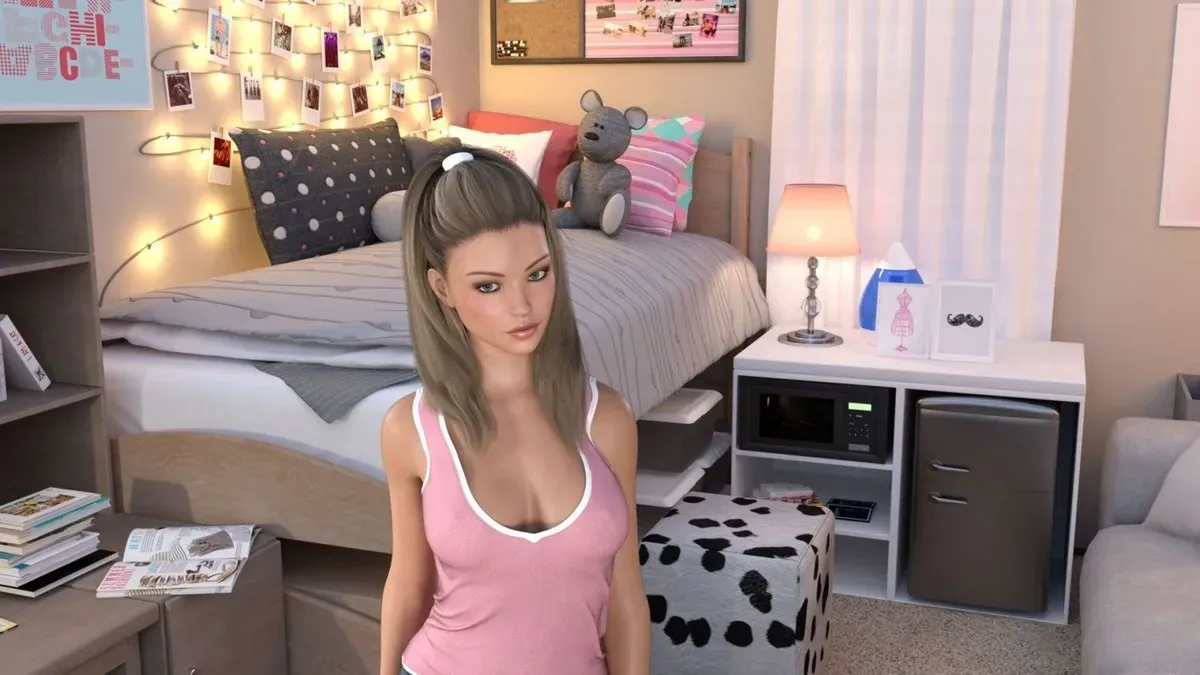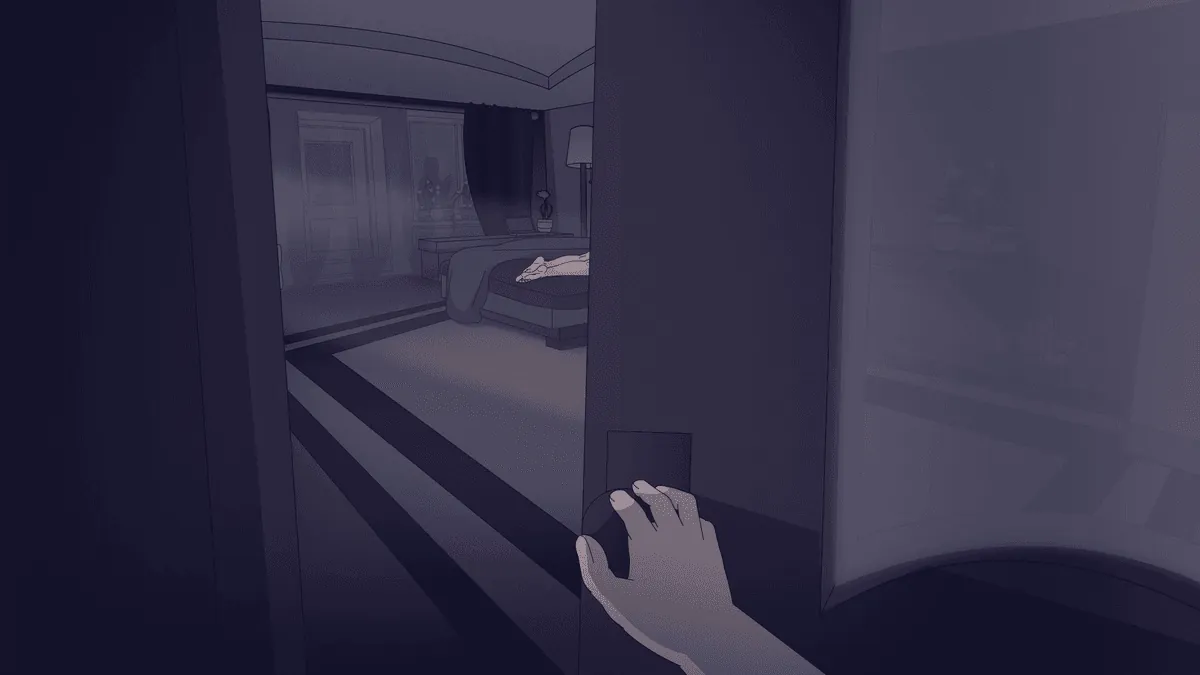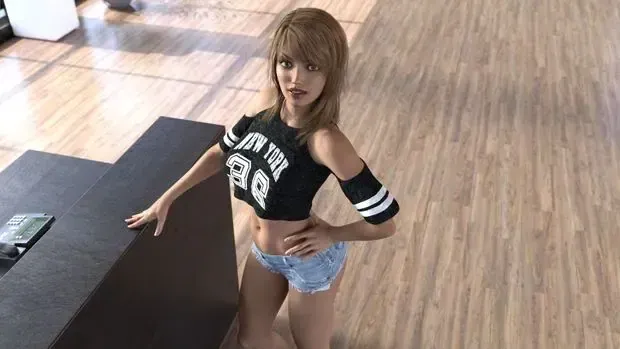
Only a Dream
Play Only a Dream
Only a Dream Screenshots







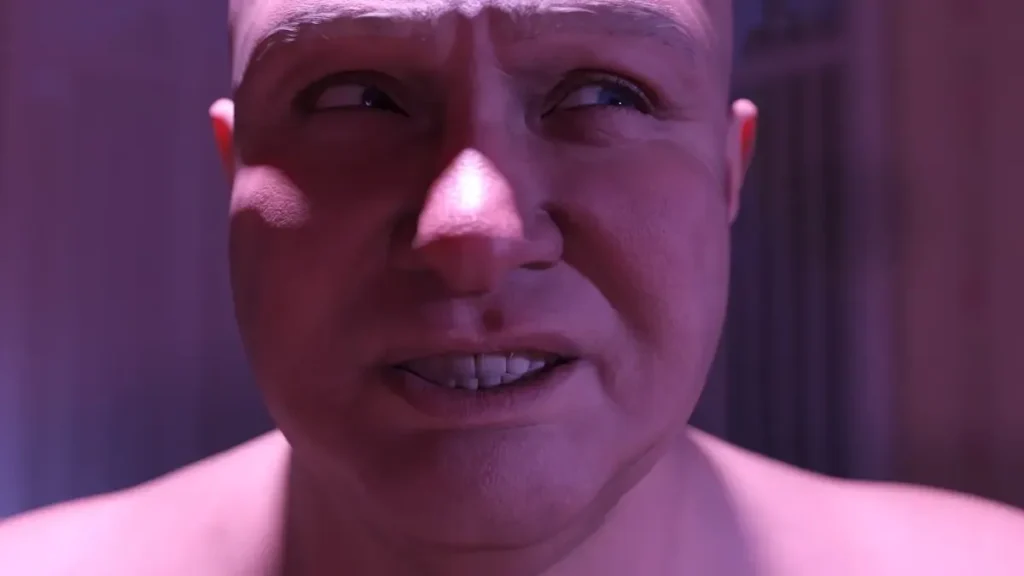
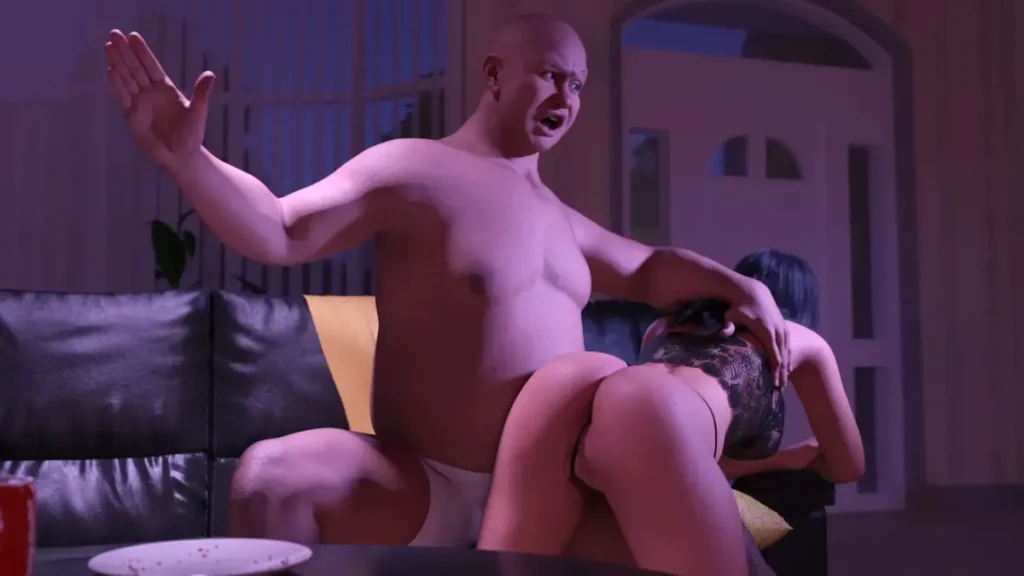


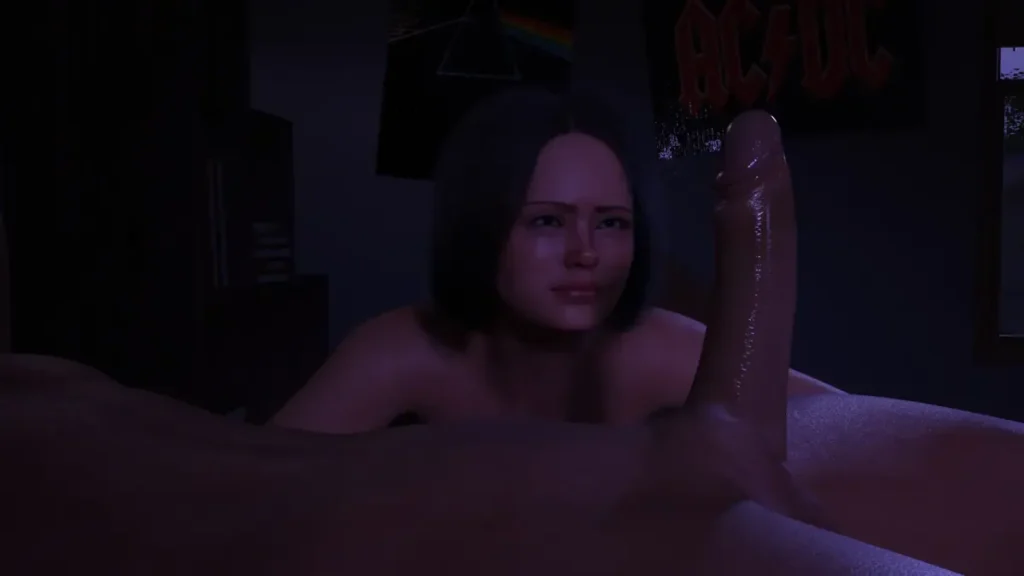



Only a Dream review
A deep, practical guide to the Only a Dream experience
Only a Dream is a narrative-driven adult-focused game that blends visual storytelling, interactive choices, and character-driven scenes to create an immersive experience tailored for mature players. This article explores Only a Dream from the perspective of a player and content strategist, covering story structure, gameplay mechanics, technical setup, and practical tips to get the most from the title. I’ll share personal impressions, a short anecdote about first-time play, and actionable advice so you can decide whether this game fits your interests and how to approach it safely and enjoyably.
What Only a Dream Is and Who It’s For
So, you’ve heard the name, seen some intriguing screenshots, and now you’re wondering: what exactly is the Only a Dream game? 🤔 Is it for me? Let’s pull back the curtain right away. This isn’t your typical action-packed title; it’s a journey into intimate storytelling where your choices craft the narrative. Think of it less as a “game” in the traditional sense and more as an interactive, cinematic experience where you steer the emotional direction.
In this Only a Dream overview, I’ll walk you through everything from its beating heart to its practical mechanics. We’ll talk about who it’s designed for, what you can expect to feel, and I’ll even share a story from my very first, slightly chaotic play session. By the end, you’ll know if this evocative adult narrative game is waiting on your playlist.
Overview: Core concept and tone of Only a Dream
At its core, Only a Dream is a beautifully crafted visual novel experience. The gameplay tone and style is its most defining feature: it’s intimate, atmospheric, and deeply personal. You won’t find complex puzzles or skill-based challenges here. Instead, the primary interaction comes through choice driven scenes that appear at key narrative junctures. These choices can be subtle (a lingering glance, a particular phrasing) or more direct, each one subtly bending the path of your relationships and the story’s outcome.
The presentation is a major player in setting the mood. Expect lush, detailed artwork for characters and environments, a soundtrack that swells and recedes with the emotional beats, and prose that aims to pull you into the moment. The pacing is deliberate, allowing scenes to breathe and emotions to land. This is a game about the journey, the conversations, and the connections you build.
Progression is handled through a straightforward chapter-based structure, with a robust save/load system that encourages you to explore different branches. A key part of the Only a Dream game is its unlock system. Making certain choices or reaching specific endings will unlock new character routes, additional scenes, or even alternative perspectives, adding layers of depth to subsequent playthroughs. While some branches are more pronounced, the story often feels like a tapestry you’re weaving, where threads of choice create a unique final picture.
In short, the visual novel mechanics are in service of one goal: immersion. You are not just watching a story about romance, comedy, drama, and intimacy—you are actively participating in its creation. 🎭
Target audience and content advisory
Let’s be perfectly clear: Only a Dream is an adult narrative game. This designation is crucial for setting expectations. It’s “adult” not solely because of its mature themes and intimate content, but because it explores complex emotional landscapes, nuanced relationships, and character motivations that resonate with a more mature audience. The game assumes a certain level of life experience to fully appreciate the stakes and subtleties of its storytelling.
So, who is this for? 🤷♂️
- The Story Lover: If you prioritize narrative, character development, and emotional payoff over twitch gameplay, this is your haven.
- The Curious Explorer: Players who love seeing “what happens if…” will thrive here. The replay value lies in unlocking different paths and outcomes.
- The Romance & Drama Enthusiast: If you enjoy films or books where relationships are the central conflict and joy, you’ll feel right at home.
- The Casual Player Looking for Depth: You can absolutely enjoy this in short, nightly sessions. Its save-anywhere feature makes it perfect for playing at your own pace, though its narrative depth rewards a more committed, attentive approach.
Content Sensitivity & Advisory: 🚨
This game contains mature content, including explicit intimate scenes and adult language. These elements are woven into the narrative and are not gratuitous; they serve the character arcs and emotional tone. The game typically includes optional settings to tailor this experience, such as toggles for explicit content or content warnings for specific scenes. Always check the official store page for the most accurate and detailed descriptors.
For a quick reference, here’s a breakdown:
| Aspect | Consideration |
|---|---|
| Recommended Age | Exclusively for adult players (18+). |
| Primary Themes | Romantic relationships, personal drama, intimate connections, emotional choices. |
| Interactive Content | Story-driven choices with mature consequences, includes explicit intimate scenes. |
| Player Commitment | Excellent for casual play in chunks, but story depth appeals to committed players. |
| Platform Notes | Best experienced on PC for optimal performance and control. Mobile/tablet versions may simplify interfaces. |
Ultimately, if you approach gaming as a form of interactive fiction and aren’t shy about mature, emotional storytelling, the Only a Dream overview of its audience likely includes you.
My first playthrough: initial impressions and expectations
I booted up Only a Dream with a mix of curiosity and caution. I’d read it was an adult narrative game, so I expected a certain tone, but I wasn’t prepared for how quickly it would disarm me. My initial impression was all about the atmosphere—the opening music, the sharp yet soft art style, it immediately felt… considered. This wasn’t going to be a loud experience; it was asking me to lean in and listen.
What hooked me in the first twenty minutes wasn’t a dramatic event, but a quiet moment of dialogue. Faced with a choice driven scene where my character could offer a genuine compliment or a playful, deflective joke, I went for the joke. The character’s reaction was a slightly disappointed smile and a change in subject. It felt real. It wasn’t a “game over,” just a subtle shift in the dynamic. That’s when I knew the game had depth. I was already thinking, “Oh, I need to replay that later and try the other option.”
I remember one early evening scene, sitting on a virtual balcony as the sun set. The conversation turned serious, and I was given two response choices. One was supportive and open, the other was guarded and practical. I chose guarded. The silence that followed, punctuated by the character looking away, carried more weight than any explosion could. It was a masterclass in how visual novel mechanics can create tension.
My expectation was a linear story with some spicy scenes. What I discovered was a delicate web of cause and effect. In a later playthrough, making that earlier balcony conversation open instead of guarded completely changed the availability of a vulnerable, intimate confession several chapters later. It was a revelation. The gameplay tone and style promised emotional consequence, and it delivered by making me care about the digital ripple effects of my words.
This first session taught me that Only a Dream is a game to be savored, not rushed. It rewards attention to detail—the sigh tucked into a line of dialogue, the specific artwork that accompanies a key choice. It showed me that its “adult” label was earned not just through content, but through mature handling of interpersonal complexity. My Only a Dream review of that first night? I was captivated, and I immediately wanted to start again to see the roads not taken.
Platform & Experience Note: I played on PC, and I’d recommend it if possible. The ability to use a mouse for precise menu navigation and quick saving/loading enhances the experimental “choice-testing” loop that becomes so addictive. The performance was flawless, ensuring the art and transitions remained smooth and immersive, which is vital for a game that lives and dies by its atmosphere.
In wrapping up this chapter, understanding what Only a Dream is and who it’s for is about aligning expectations. It’s a poignant, choice-driven narrative experience wrapped in stunning audio-visual presentation. It’s for the player who wants to feel like an author and a participant in a resonant, human story. If you’re ready to step into that role, your dream—with all its beautiful, complicated, and intimate possibilities—awaits. ✨
Only a Dream offers a focused, choice-driven experience for mature players who enjoy narrative exploration and scene-based progression. In this guide I covered what the game is, its story and character systems, practical gameplay mechanics, tips to get the most from multiple playthroughs, and how to find community resources safely. If you’re curious, try a short introductory session using the three-session checklist from the tips chapter, back up your saves, and join a community hub to learn more—then decide whether to continue exploring its branching paths.