
Play Deliverance
Deliverance Screenshots








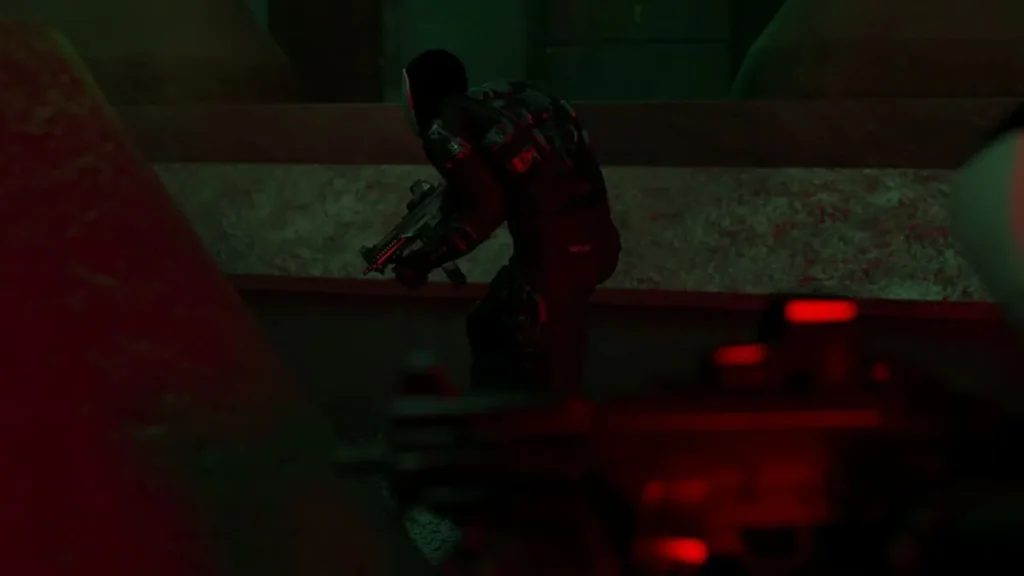














Deliverance review
Explore the immersive fantasy adventure with squad-based combat, relationship systems, and morality mechanics
Deliverance stands out as a unique fantasy adventure experience that blends multiple gameplay genres into one cohesive package. This indie title combines first-person perspective exploration with visual novel storytelling, squad-based RPG combat, and intricate relationship systems. Whether you’re interested in understanding the core mechanics, exploring character dynamics, or mastering the game’s various systems, this guide provides everything you need to know about what makes Deliverance a compelling gaming experience. From its sandbox mechanics to its morality and insanity development systems, discover how this game creates meaningful player choices that shape your journey.
Core Gameplay Systems & Mechanics
Ever feel like you’re just going through the motions in a fantasy RPG? 😴 You follow the glowing quest marker, you mash the same attack button in fights that feel predetermined, and your “choices” are really just different-colored dialogue boxes leading to the same outcome. I’ve been there, trust me. I once spent 50 hours in a famous open-world game only to realize my character was essentially a tourist with a sword, observing a beautiful world I couldn’t truly touch or change.
That’s the exact fatigue Deliverance was built to shatter. This isn’t just another quest log to clear; it’s a living, breathing world where your agency is the main character. 🗺️✨ Forget passive observation—here, you live the adventure through intimate first-person RPG gameplay, command a team you personally shape, and watch every decision ripple across a reactive sandbox. Let’s dive into the incredible Deliverance game mechanics that make this possible.
First-Person Exploration and Sandbox Mechanics
From the moment you begin, Deliverance pulls you in—literally. You view the world not from a detached, floating camera, but directly through your character’s eyes. This first-person RPG gameplay perspective is the cornerstone of immersion. You’ll lean in to examine strange runes on a dungeon wall, look up in awe at towering spires, and feel the tension of peering around a corner in a hostile camp. The world isn’t a picture you look at; it’s a space you inhabit.
This philosophy extends to its structure as a true sandbox adventure game. There is no single “right” path. The map is dotted with dynamic points of interest—a haunted forest one day might be a bustling black market the next, based on world events. Your goal isn’t handed to you on a platter; it’s discovered through curiosity. Maybe you’ll overhear a rumor in a tavern, find a cryptic map on a fallen enemy, or simply get lost and stumble upon a secret that becomes your new personal mission.
The game believes in “show, don’t tell.” Your first task isn’t to slay a dragon; it’s to learn how to live in this world. This is where the brilliant 45-minute introduction comes in.
This opening sequence is a masterclass in intuitive teaching. It doesn’t feel like a tutorial; it feels like the first day of your new life. Here’s a step-by-step breakdown of what you’ll learn:
- Movement & Physicality: You’ll learn how your body moves—walking, running, jumping, and even how weight and encumbrance affect your stamina. It grounds you in the reality of your character.
- The Interaction System: This is where the magic happens. You’ll learn to pick up, examine, and manipulate objects in the environment. Every item has physicality, from pocketing a coin to carefully placing a key in a lock.
- GUI & Information Literacy: The game seamlessly introduces its menus and icons. You’ll learn how to check your personal journal (which fills with your own notes), manage your starting gear, and interpret the subtle environmental cues the game uses instead of giant waypoints.
- Foundational Social Systems: Even early on, you’ll get a taste of how dialogue and reputation work, setting the stage for the deep character recruitment and management to come.
And because life in Deliverance isn’t just combat and conversation, mini-games and flash game-inspired mechanics are sprinkled throughout. Lock-picking might be a delicate timing puzzle, alchemy could involve a memory-matching game with reagents, and bargaining with a merchant might play out like a strategic card game. These aren’t filler; they’re fun, skill-testing diversions that make each profession feel unique. 🧩🃏
Your inventory management is also refreshingly tangible. It’s a grid-based system where you must physically arrange items, considering their size and shape. This applies to your squad, too—managing a shared party inventory becomes a strategic puzzle of its own before a long journey. Do you bring extra healing salves or make room for more loot? Every slot counts.
Squad-Based Combat and Battle Systems
Alright, let’s talk about the moment everything comes together: the fight. The Deliverance battle system is where your leadership, your squad’s trust, and your personal skill collide. This isn’t a solo hero story; it’s a tale of a unit. The squad-based combat system means you’re never truly alone on the battlefield.
Building your squad is the first and most crucial layer of strategy. Character recruitment and management is an ongoing process. You don’t just find companions; you earn them. A warrior might join you after you save her village, but only if your actions align with her moral code. A mage might offer his services in exchange for a rare artifact. Each has a unique personality, combat style, and personal questline that affects their loyalty.
Once in your squad, managing them is key. You can issue tactical orders in real-time—ordering a shield-bearer to hold a choke point, telling archers to focus fire on a spellcaster, or commanding everyone to fall back. Their effectiveness hinges on their individual stats, their equipped gear (which you manage), and crucially, their relationship with you and each other. A squad that trusts one another will perform coordinated attacks and cover each other’s weaknesses.
Now, for the moment-to-moment action: the first-person RPG gameplay in combat is visceral and tactical. You aim your swings, blocks, and spells manually. But here’s the twist: your performance is directly influenced by your character’s RPG stat progression. A high Strength stat might make your swings hit harder and stagger foes, while a low Dexterity stat could make your bow sway unsteadily. It’s a perfect blend of player skill and character development.
The Deliverance battle system brilliantly ties player choices directly to combat outcomes. Did you spend the evening before a battle scouting the enemy camp and sabotaging their weapon racks? Those enemies might start the fight disarmed. 🗡️➡️🚫 Did you choose to help a local herbalist? She might supply you with potent poisons for your blades. Conversely, if you’ve mismanaged your resources and arrive at a fight exhausted and low on arrows, you’ll feel that disadvantage keenly. Every social, exploratory, and moral decision you make outside of combat can tip the scales when steel meets steel.
Character Progression and Status Systems
In Deliverance, your growth is multifaceted. You’re not just gaining “experience points” in a vacuum; you’re developing a person. The RPG stat progression system is divided into three core pillars: Physical, Mental, and Magical. Each stat feels meaningful because it directly alters how you interact with the world, not just your damage numbers.
Increasing your Strength might allow you to force open heavy doors, giving you new shortcuts. Boosting your Insight could let you detect hidden truths in conversations, unlocking new dialogue paths. This is the heart of Deliverance game mechanics: your stats change what you can do, opening up new solutions to problems beyond combat.
To give you a clear picture, here’s how these stat categories break down:
| Stat Category | Core Stats | Primary Gameplay Effects |
|---|---|---|
| Physical 💪 | Strength, Dexterity, Endurance, Vitality | Governs melee damage, weapon handling, carry capacity, stamina for running/fighting, and overall health. High Strength lets you wear heavier armor and shove enemies. High Dexterity improves bow accuracy and lock-picking. |
| Mental 🧠 | Intellect, Insight, Resolve, Charisma | Controls magical knowledge (for some schools), detection of secrets/hidden objects, resistance to fear/fatigue effects, and success in persuasion/intimidation. High Insight can reveal enemy weaknesses mid-fight. |
| Magical ✨ | Arcane Affinity, Spiritual Focus, Channeling | Determines access to and potency of magical schools, efficiency of spellcasting (mana cost), and ability to wield powerful artifacts without backlash. Affects interactions with magical creatures and locales. |
How do you improve these stats? Through doing. The game uses a brilliant “practice makes perfect” system. Want to get better at swordplay? Use your sword in fights. Want to improve your bartering? Keep buying and selling goods. Your actions organically shape your character’s growth. 🪴 This applies to your squad members, too, whose progression you can guide by assigning them specific tasks and gear.
And all of this—the intimate first-person view, the complex squad interactions, the deep stat tracking, and the branching narratives—is delivered with surprising fluidity through the Ren’Py visual novel engine. The developers have pushed this tool far beyond its typical use, employing it to seamlessly weave together cinematic story moments, intricate character relationship screens, and choice-driven dialogue with the real-time 3D exploration and combat. It’s this hybrid approach that makes Deliverance feel so unique; one moment you’re in a tense, tactical battle, and the next you’re in a deeply personal, choice-laden conversation that feels straight out of a premium visual novel.
So, what’s the takeaway? Deliverance builds a world where the systems talk to each other. Your exploration feeds your progression, which enables new combat tactics, which affects your relationships, which opens up new areas to explore. It’s a magnificent loop of cause and effect. You’re not just playing a game; you’re conducting an orchestra of mechanics, and the story that emerges is a symphony uniquely yours.
Deliverance delivers a rich and multifaceted gaming experience that successfully merges squad-based RPG combat, visual novel storytelling, and economic simulation into a cohesive adventure. The game’s emphasis on player choice through its morality systems, affinity mechanics, and branching narrative paths ensures that each playthrough feels unique and personally meaningful. With its combination of first-person exploration, relationship building, and business management, Deliverance offers something for players seeking depth and consequence in their gaming. Whether you’re drawn to the strategic squad combat, the intricate character relationships, or the economic gameplay, understanding these core systems will enhance your enjoyment and help you make the most of your journey through this immersive fantasy world.