Love at First Tail
Play Love at First Tail
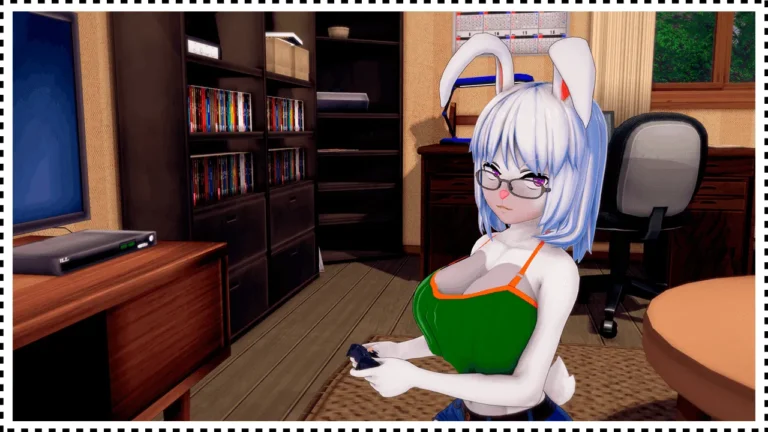
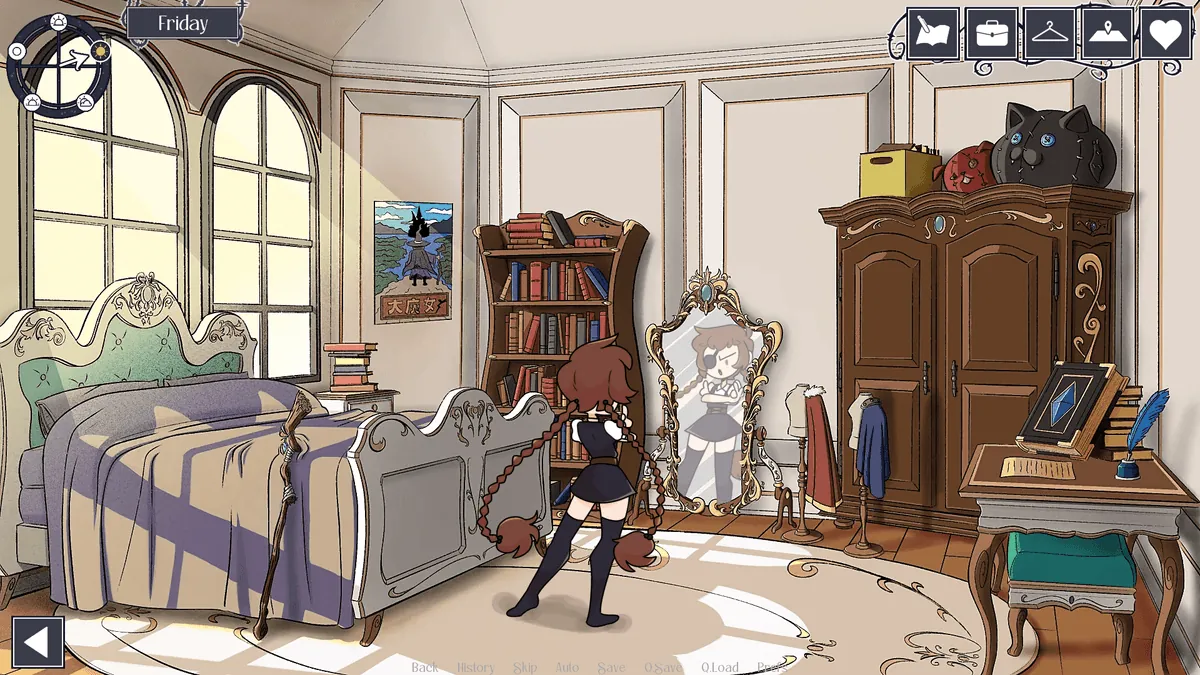
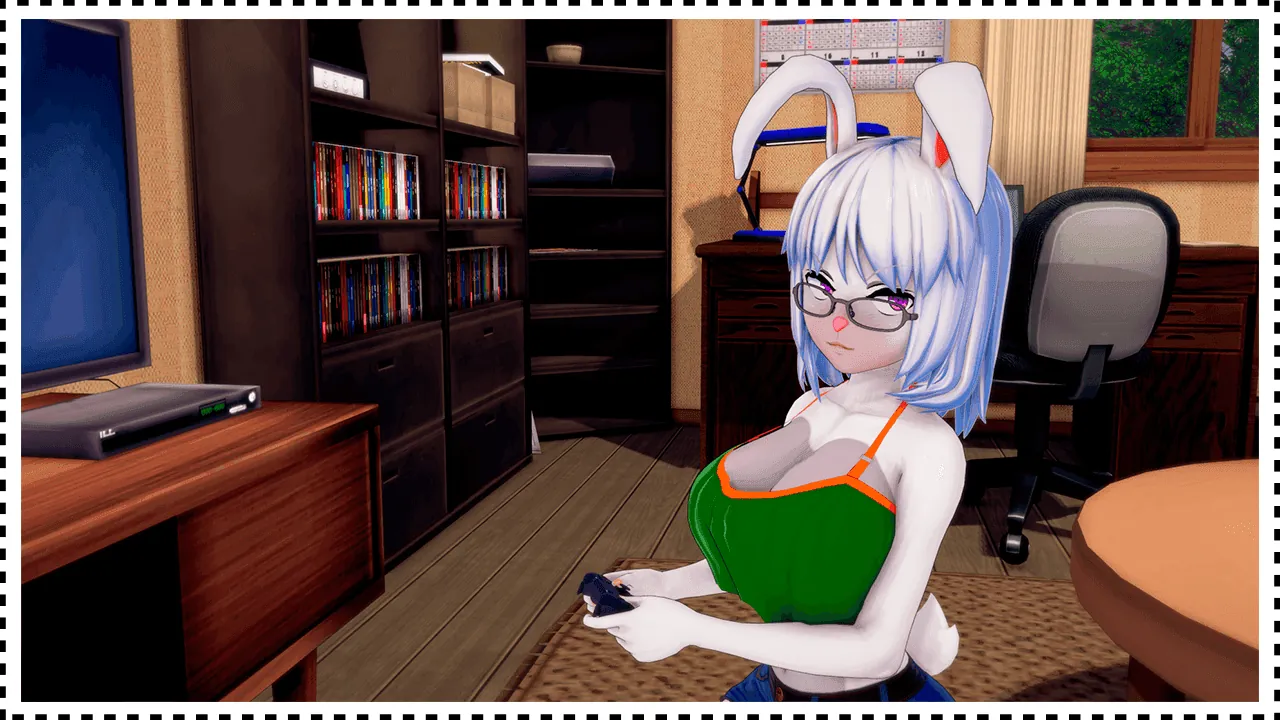
Love at First Tail Screenshots
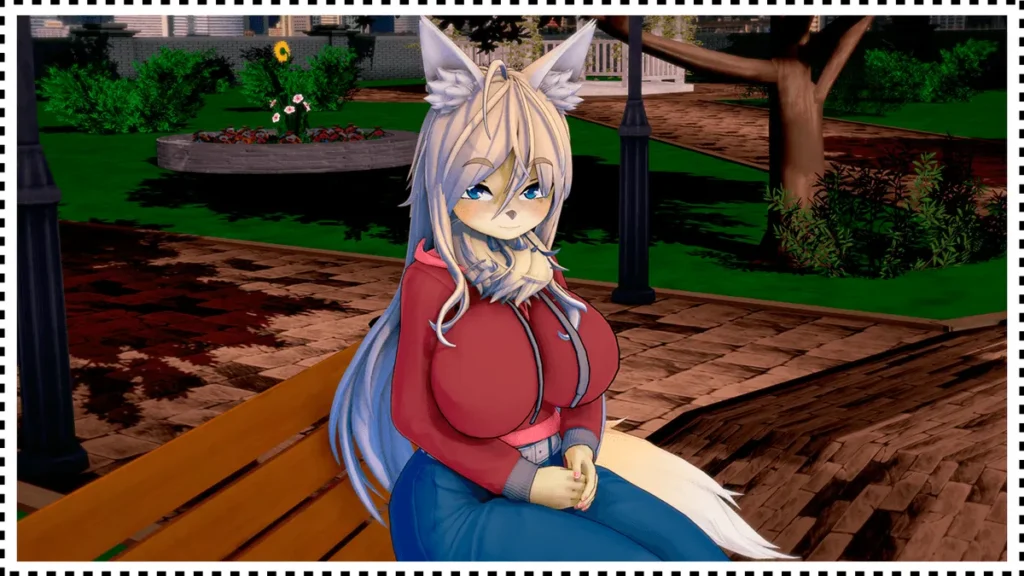
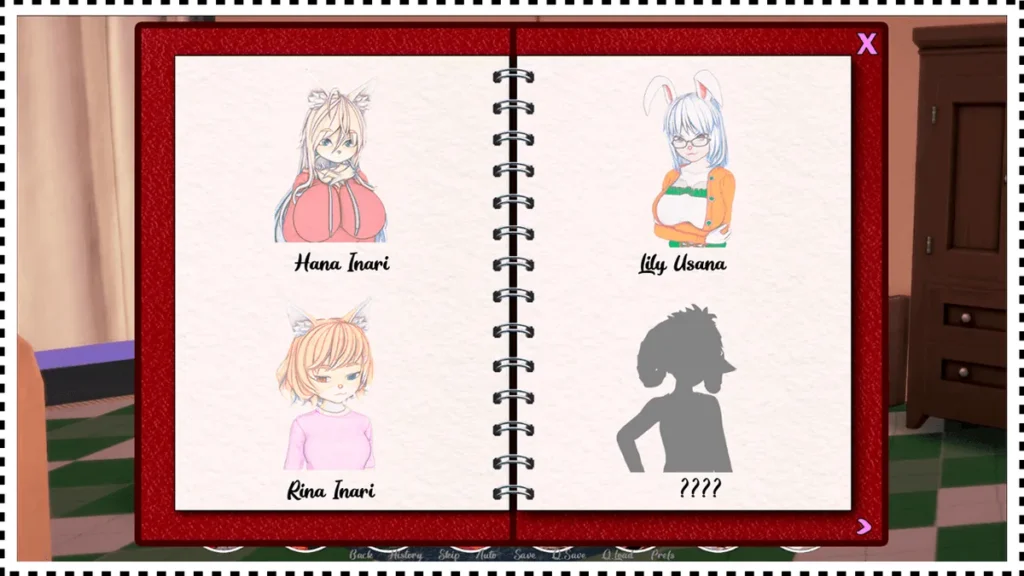
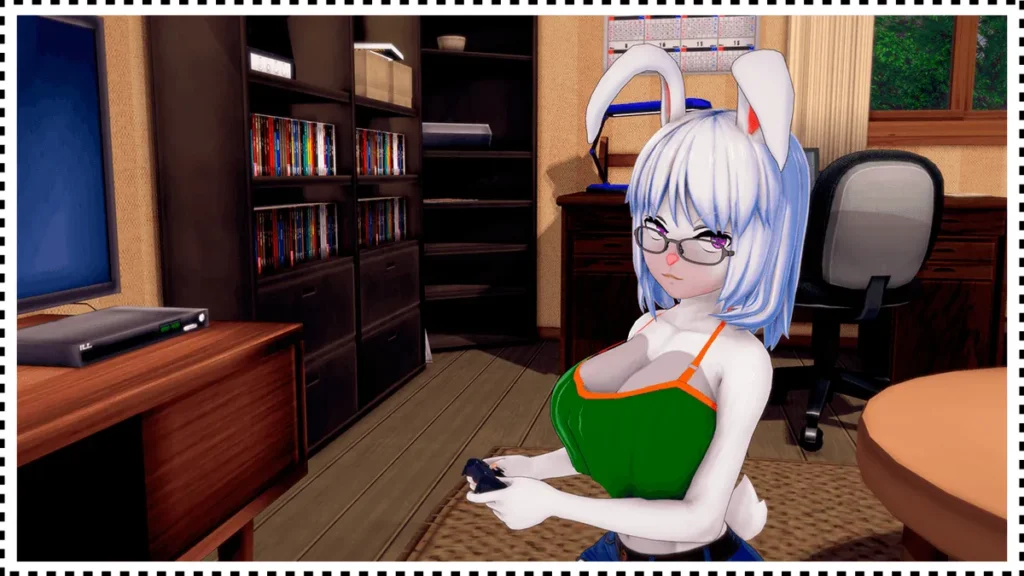
Love at First Tail review
Explore the story, characters, and gameplay mechanics of this acclaimed visual novel
Love at First Tail stands out as a thoughtfully crafted visual novel that blends engaging storytelling with meaningful character development. This game has garnered attention for its well-written narrative, complex characters dealing with real trauma and domestic challenges, and its balance between mature content and genuine emotional depth. Whether you’re new to the game or looking to maximize your experience, this guide covers everything you need to know about gameplay mechanics, character routes, gallery unlocks, and what makes this title resonate with players seeking substance alongside entertainment.
Understanding Love at First Tail: Story, Setting & Core Gameplay
Picture this: you’re walking home on a cold, rainy evening, lost in your own thoughts, when a faint sound catches your ear. It’s not the patter of rain, but a soft, desperate whimper. Following it, you find a sight that stops you in your tracks: a mother and her young child, drenched and shivering in an alley. Your heart aches. What do you do? This isn’t just a hypothetical moral question—it’s the powerful, opening moment of Love at First Tail, a visual novel that refuses to play by the usual rules. 🎭
From that first, heart-wrenching choice, you know you’re in for something special. This isn’t a tale of high school romance or fantastical adventures; it’s a grounded, mature story about kindness, trauma, and the fragile process of building a new family from broken pieces. If you’re looking for a Love at First Tail story guide that respects the game’s depth, you’ve come to the right place. Let’s pull back the curtain on the narrative, the mechanics, and the heartfelt journeys that make this game an unforgettable experience.
### What Makes This Visual Novel Stand Out? ✨
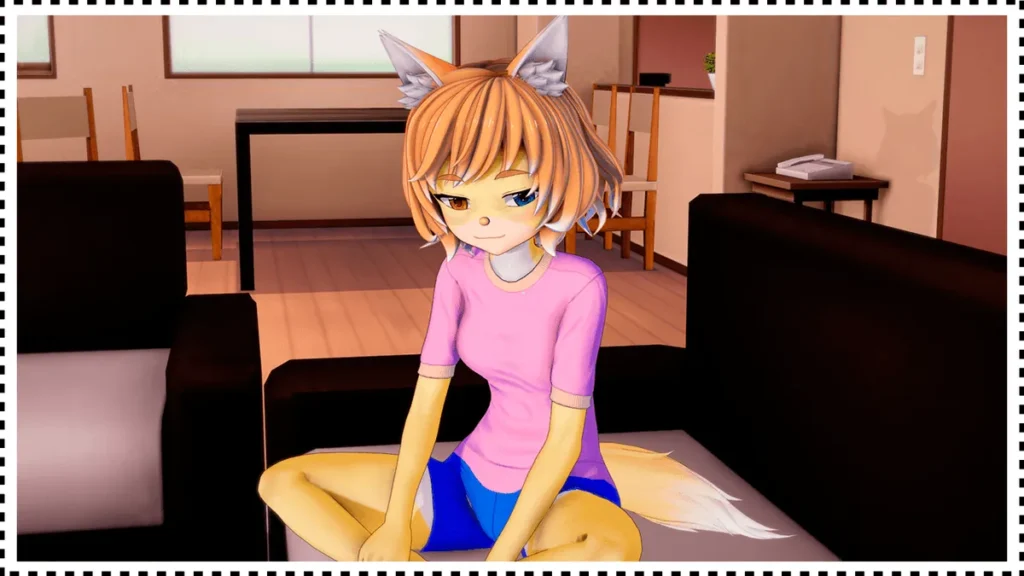
At its core, Love at First Tail is a masterclass in character development visual novel storytelling. It takes the familiar “slice of life” framework and injects it with raw, emotional honesty. The premise is deceptively simple: you, the protagonist, offer shelter to a mysterious fox-like woman named Kitsune and her son, Hiro. But this act of kindness unlocks a narrative deeply concerned with the aftermath of domestic abuse, the struggle for safety, and the quiet, everyday heroism of providing support.
What truly sets this Love at First Tail visual novel apart is its unwavering commitment to its themes. It doesn’t use trauma as a cheap plot device or a quirky character trait. Instead, it explores the long, non-linear path to healing with respect and nuance. The game balances moments of genuine, wholesome connection—like cooking a meal together or helping Hiro with his homework—with the stark reality of Kitsune’s past. This tonal balance is its greatest strength, creating a story that feels both hopeful and achingly real.
The Love at First Tail narrative is driven by its impeccable writing. The dialogue feels natural, the inner monologues are relatable, and the pacing allows you to breathe in the small, significant moments. You’re not just watching a story unfold; you’re living in its spaces, feeling the weight of silences and the warmth of hard-won smiles.
Key Themes and Narrative Elements Explored:
* Found Family & Protection: The central theme of building a safe, chosen family unit.
* Healing from Trauma: A respectful and nuanced portrayal of recovering from domestic abuse.
* The Weight of Choice: How everyday decisions, big and small, define relationships.
* Wholesome Domesticity: The joy and comfort found in simple, shared daily routines.
* Moral Complexity: Navigating situations where there are no perfectly “right” answers.
### Game Mechanics and How to Navigate the Experience 🎮
If you’re new to the genre, fear not! Understanding the Love at First Tail gameplay mechanics is straightforward, but mastering their impact is where the magic happens. This is a visual novel, which means you’ll spend most of your time reading beautifully written text, accompanied by character sprites, evocative backgrounds, and a fitting soundtrack. Your primary tool? Your power of choice.
The game is built on a branching path system where your interactive fiction choices steer the entire narrative. These aren’t just illusions of choice; they are the DNA of your unique story. Early decisions create ripple effects that change character dialogues, open or close entire scenes, and ultimately determine which ending you reach.
Pro Tip: There is no “right” way to play. Your first playthrough should be guided by your genuine instincts. Would you offer to let them stay? Would you press for details about their past or give them space? The game rewards authentic engagement.
A crucial mechanic is the relationship meter, though it’s often subtly woven into the narrative rather than displayed as a blatant number. Your choices build trust with both Kitsune and Hiro. Being consistently kind, patient, and reliable opens up deeper, more vulnerable conversations and special scenes. Conversely, pushing too hard or making selfish choices can cause them to withdraw, locking you out of their true hearts.
The game also features a simple but effective calendar system. Time passes, marking the progression of your life together. Certain choices and events are only available on specific days, encouraging multiple playthroughs to see everything. This structure reinforces the theme of gradual, daily healing—you can’t rush recovery, in the game or in life.
Here’s a quick look at how major early choices can branch your experience:
| Initial Scenario | Player Choice | Narrative Direction |
|---|---|---|
| Finding Kitsune & Hiro in the rain | Offer them shelter in your home | Initiates the core “found family” route. The story begins. |
| Finding Kitsune & Hiro in the rain | Give them money and walk away | Leads to a short, tragic ending. Highlights the consequence of inaction. |
| Kitsune offers “services” to repay you | Politely but firmly decline | Builds respect and establishes a relationship based on equality and care (the “nice guy” route). |
| Kitsune offers “services” to repay you | Accept her offer | Alters the relationship dynamic significantly, often leading to paths with less emotional intimacy and more conflict. |
### Character Routes and Story Paths Explained 🦊
This is where the Love at First Tail visual novel truly shines. While there is one central story, it branches into several key visual novel character routes, primarily defined by your approach to Kitsune. Think of these not as separate stories, but as different emotional wavelengths within the same relationship.
The “Nice Guy” Route (The Heart of the Game):
This is arguably the most rewarding and thematically rich path. By consistently choosing kindness, patience, and respect—especially by declining her initial transactional offers—you walk the difficult but genuine path of building real trust. This route delves deepest into Kitsune’s trauma and her fears as a mother. You become a stable rock in her turbulent life, and the romance that develops feels earned, tender, and profound. It’s a route about seeing her as a person, not a savior project or a fantasy.
Alternative Dynamics:
Other paths emerge if your choices reflect different priorities. If you focus heavily on providing and fixing things, you might fall into a “protector” dynamic, which can sometimes unintentionally mirror the control she escaped from. Choices driven by physical desire or a lack of patience can lead to more strained, dramatic routes where trust is broken and the road to reconciliation is steep, if it exists at all.
Hiro’s Role:
It’s vital to remember that this isn’t just Kitsune’s story. Hiro is not a background prop; he is a fully realized character with his own fears, joys, and agency. Your choices directly affect him. Building a bond with Hiro is often the key to unlocking the most peaceful and fulfilling endings. Treating him with kindness, engaging in his interests, and being a positive adult figure in his life is just as important as your relationship with his mother. This focus on the child’s perspective is a rare and beautiful aspect of the game’s character development.
The Endings:
Without spoilers, the endings range from heartbreakingly tragic to beautifully cathartic. They serve as the final judgment on the emotional environment you’ve cultivated. A “good” ending doesn’t necessarily mean a fairy-tale conclusion; it means an ending that feels honest to the journey you’ve shared, one where the characters are on a path toward genuine healing, together or separately.
FAQ: Your Questions, Answered ❓
Q: How many endings are there, and how long does it take to see them all?
A: There are multiple distinct endings, with variations based on your key relationship scores. A single playthrough might take 6-10 hours. To see all major conclusions and explore the different visual novel character routes, expect to invest 25-30 hours, especially if you take your time to read and savor the differences.
Q: Do my small, everyday choices really matter, or just the big ones?
A: They matter immensely! While major plot points are triggered by key decisions, the small choices—offering to help with chores, choosing what to talk about over dinner, how you react to Hiro’s stories—build the cumulative trust that defines your route. The game is excellent at making you feel the weight of casual interactions.
Q: Is there a “true” route or best ending?
A: The community often points to the fully realized “Nice Guy” path as the most emotionally complete and satisfying narrative, as it aligns best with the game’s themes of healthy bonding. However, the game doesn’t designate one “true” end. The “best” ending is the one that feels most resonant and earned based on your choices.
Q: How does the game handle its mature themes?
A: With exceptional care. Scenes involving past abuse are handled with implication and emotional weight rather than graphic depiction. The focus is always on the psychological impact and recovery. The game includes content warnings and treats its subject matter with the gravity it deserves, making it a mature experience in the best sense of the word.
Q: Can I save and go back to try different choices easily?
A: Yes! The game features a robust save system with multiple slots. I highly recommend saving at key decision points (which are often clearly marked by a shift in tone or a direct question) so you can easily branch off and explore different outcomes later.
Ultimately, Love at First Tail is more than a game; it’s an emotional journey. Its strength lies in how it uses the interactive fiction choices inherent to the visual novel format to make you an active participant in a story about healing. You’re not just reading about compassion—you’re practicing it, choice by choice. By mastering its gameplay mechanics and engaging deeply with its narrative, you don’t just guide a character to an ending. You participate in a moving, thoughtful exploration of what it means to offer—and receive—a second chance at love and safety.
Love at First Tail represents a standout entry in the visual novel genre, combining sophisticated writing with meaningful character development and emotional resonance. The game’s strength lies in its respectful handling of complex themes, well-crafted characters that feel authentic, and the surprising depth that emerges beneath its mature premise. Whether you’re drawn to the engaging narrative, seeking to unlock all gallery content, or curious about why this title has earned genuine appreciation from its community, understanding the game’s mechanics, character routes, and thematic elements enhances your experience. For players looking for a visual novel that delivers both substance and entertainment, Love at First Tail offers a compelling journey worth exploring.