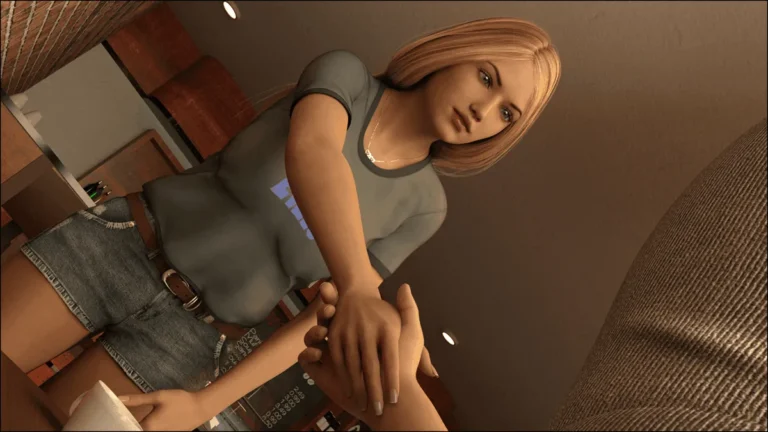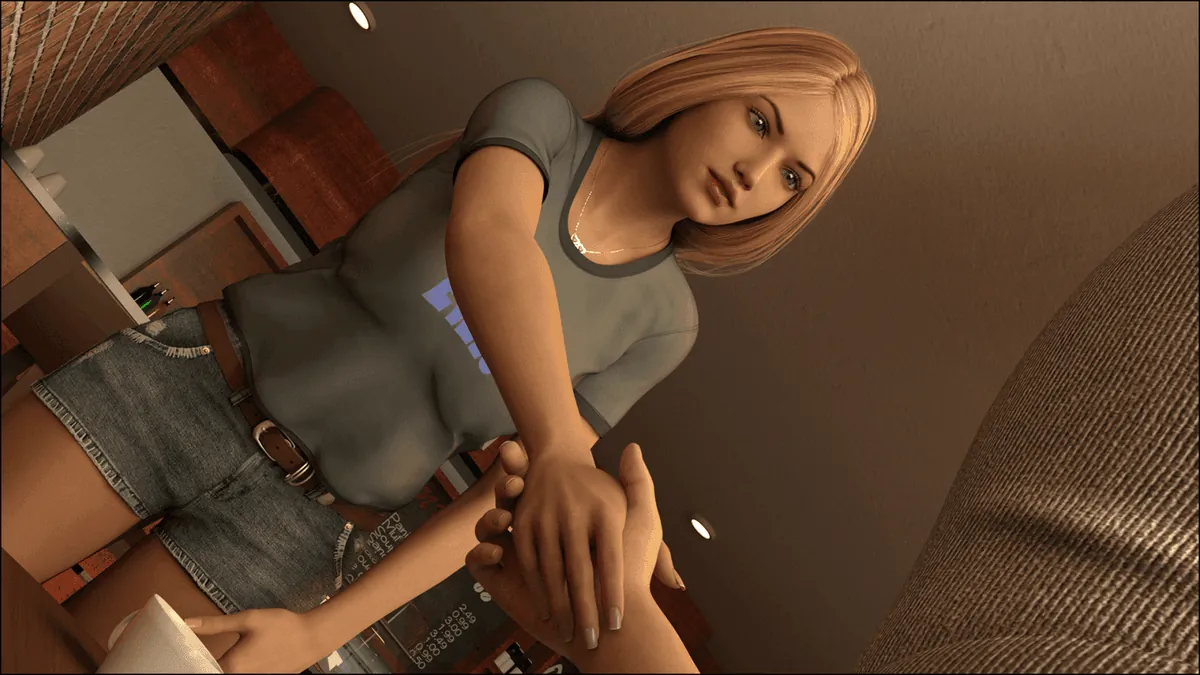
Our Fate – A new family
Play Our Fate – A new family
Our Fate – A new family Screenshots
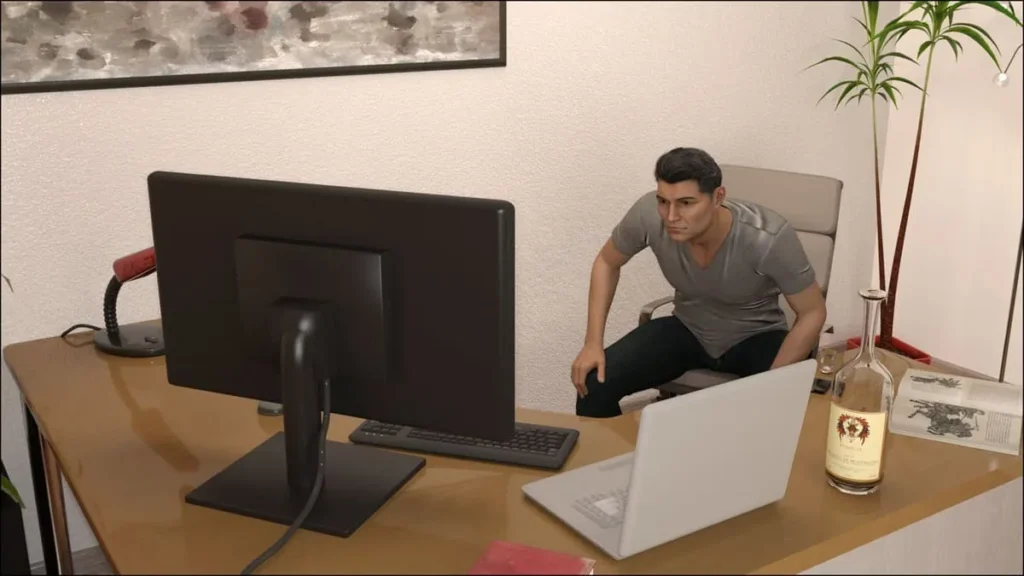



Our Fate – A new family review
Explore the emotional narrative and character-driven experience of this interactive family drama
Our Fate – A New Family stands out as a compelling interactive narrative experience that prioritizes emotional storytelling over traditional gameplay mechanics. Rather than focusing on epic battles or world-saving quests, this game centers on the deeply personal journey of managing a newly formed family unit. Players assume the role of a young adult thrust into unexpected guardianship of three distant relatives, navigating daily decisions that ripple through their lives. From choosing what to cook for dinner to addressing sibling crises, every choice carries weight and consequence. The game’s rich character development and community-driven narrative create an immersive experience that resonates with players seeking meaningful, choice-driven storytelling.
Understanding Our Fate – A New Family: Core Narrative and Gameplay Experience
“This isn’t about saving the world from a dragon. It’s about saving a family from falling apart over burnt toast and missed bedtimes.”
Let’s be honest with each other. Most games hand you a sword, a spaceship, or superpowers and ask you to confront an external, world-ending threat. But what about the internal, heart-ending threats? The quiet struggles that happen behind closed doors? This is the ground that Our Fate – A New Family bravely and beautifully occupies. If you’re asking ‘what is Our Fate A New Family about?’, it’s about the most challenging quest of all: building a home.
This interactive family drama game throws out the rulebook of traditional gaming. Forget leveling up a warrior; here, you level up your empathy. Your battlefield is a modest living room, your weapons are patience and understanding, and the final boss is the specter of disconnection itself. It’s a profound shift from the epic to the intimate, and it creates one of the most memorable emotional narrative game experiences you’ll ever have.
What Makes Our Fate – A New Family Different From Traditional Games
Imagine the last game you played. Chances are, it presented you with clear objectives: defeat the enemy, solve the puzzle, reach the destination. Progress was measured in health bars, skill points, and collected treasures. Our Fate – A New Family asks a different, more complicated question: how do you measure the health of a family? 🤔
The game’s genius lies in its rejection of traditional “win states.” You can’t “beat” this game in a conventional sense. Success is messy, ambiguous, and deeply personal. There’s no high score for emotional intelligence, no trophy for getting a grieving teenager to open up. Instead, the game mirrors life, where your victories are a shared laugh over dinner, a hard-won moment of trust, or simply making it through another week together without anyone feeling completely alone.
This focus makes every moment vibrate with a different kind of tension. The stakes aren’t about life and death, but about connection and estrangement. The core Our Fate A New Family narrative premise places you as the suddenly appointed guardian of three distant, traumatized relatives after a family tragedy. You’re not a seasoned parent; you’re likely as unprepared for this as they are resentful of their new situation. The conflict isn’t out there—it’s sitting silently at the breakfast table, simmering in unspoken grief, and flaring up over household chores.
The game’s character-driven gameplay ensures you’re not managing abstract “relationship meters.” You’re learning the specific language of each person. Does Maya, the artistic older sister, express stress by cleaning furiously or by withdrawing to her sketchbook? Does Leo, the middle child, mask his pain with sarcasm or impulsive actions? Understanding these nuances is the gameplay. You progress not by unlocking new areas, but by unlocking tiny glimpses into their wounded hearts.
The Emotional Foundation: How Personal Choices Drive the Story
At the absolute core of this experience are its choice-driven storytelling mechanics. This isn’t about picking obvious “good” or “evil” dialogue options. The game specializes in morally gray, “no-perfect-answer” dilemmas that will have you staring at the screen, your cursor hovering in genuine uncertainty. Every choice feels consequential because it’s woven into the fabric of daily reality.
Let me give you an example that hit me hard during my playthrough. It was a Thursday evening. Bills were piling up on the counter, and the landlord had left a less-than-friendly note. The kids’ school was asking for donations for a trip they desperately wanted to go on. I, as the guardian, got a notification: an opportunity for significant overtime at work for the next two weeks. It would solve our financial crunch. It would also mean I’d be gone from breakfast until after bedtime, every single day.
Now, here’s where the decision-based family simulation becomes agonizingly real. The game presented me with this not as a menu option, but as a natural part of the flow. I could:
* Accept the overtime, securing our rent and the school trip, but risk the kids feeling abandoned all over again.
* Decline, choosing to be emotionally present, but forcing us into a tighter financial corner, adding a different kind of stress to the household.
I sat there, thinking of Maya starting to trust me enough to show me her drawings, and Leo begrudgingly asking for help with his homework. Choosing the money felt like a betrayal of that fragile trust. Choosing time felt irresponsible. There was no music swelling to guide me, no obvious “Paragon” or “Renegade” indicator. I had to sit with the weight of my own values. I chose the overtime. The ripple effect was immediate and heartbreaking: Maya’s drawings stopped appearing on the fridge. Leo’s already-cold shoulder became icy. The house, though financially safer, felt emptier. The game had perfectly framed a high-stakes scenario not around a monster, but around the universal struggle of work-life balance. 💼⚖️❤️
This is the emotional narrative game experience in action. Your decisions don’t just open or close story branches; they shift the emotional climate of the home. A snapped response during a stressful morning can lead to doors slammed after school. Conversely, choosing to listen instead of lecture during an argument can unexpectedly unlock a late-night heart-to-heart conversation days later.
| Traditional Game Choice | Our Fate – A New Family Choice |
|---|---|
| Spare the villain or take revenge? | Use scarce funds to fix the heating or buy materials for your sibling’s passion project? |
| Which powerful ally do you recruit? | Which struggling family member needs your full attention tonight? |
| Do you upgrade your armor or your sword? | Do you invest time in a second job or in helping a child with their grief? |
Navigating Daily Life and Family Dynamics in Our Fate
So, how does this all play out moment-to-moment? Our Fate A New Family narrative is built on a foundation of beautifully mundane interactions that are anything but boring. The gameplay is a delicate dance between managing a household and nurturing hearts. You’ll find yourself:
* Planning weekly meals on a tight budget 🥦
* Deciding whether to remind a teen about curfew or let them learn from a mistake
* Noticing a change in a character’s routine and choosing how (or if) to gently ask about it
* Balancing your own character’s need for a moment of quiet with the constant demands of your new role
This is where the game’s brilliance as a decision-based family simulation shines. The “simulation” isn’t about hyper-realistic cooking minigames (though there are simple, thoughtful ones). It’s about simulating the emotional labor of caregiving. The interface might show you a to-do list, but the real task list is unspoken: Make Leo feel heard. Give Maya space but don’t let her isolate. Don’t forget to take a breath yourself.
The character-driven gameplay means every family member is a complete, evolving world. They have good days and bad days, influenced by your choices, but also by their own internal rhythms you can’t fully control—just like real people. They remember things. They hold grudges or feel gratitude in quiet ways. Building trust isn’t a simple case of giving them gifts or choosing the “nice” dialogue option. Sometimes, trust is built by not pushing, by accepting a sullen “fine” as an answer, and by being consistently, reliably there.
The game’s choice-driven storytelling mechanics ensure that even small decisions can blossom into significant story beats. Choosing to watch a silly movie together instead of doing the dishes might become a cherished inside joke referenced weeks later. Forgetting a promised one-on-one outing might create a rift that takes several sincere efforts to mend.
Ultimately, navigating this world is about embracing the lack of control. You can’t force healing. You can only create an environment where it’s possible. You provide structure, stability, and unconditional presence, and then you wait, hope, and make the best choice you can with the information you have. Some days you’ll feel like you’re nailing it; the house will be clean, everyone will chat at dinner, and you’ll go to bed feeling like a proper guardian. Other days will be a disaster of spilled feelings and silent treatments, and you’ll question every decision you’ve made. ✨
And that’s the point. Our Fate – A New Family isn’t a power fantasy. It’s an empathy simulator. It validates the exhausting, beautiful, and profoundly important work of trying to hold a family together. It argues that the quiet drama of figuring out how to love and be loved is the most compelling story of all. By the end of your journey, you won’t be asking if you “won.” You’ll be reflecting on the family you fought to build, scarred, imperfect, and ultimately, yours.
Our Fate – A New Family delivers a distinctive interactive experience that prioritizes emotional depth and meaningful player agency. By centering the narrative around intimate family dynamics rather than external conflicts, the game creates a uniquely personal gaming experience where every decision carries genuine weight. The well-realized characters, each with their own evolving arcs, combined with the interconnected community of Hazelwood, create a rich tapestry of storytelling possibilities. Whether you’re drawn to narrative-driven games, character-focused experiences, or interactive fiction that explores real-life dilemmas, Our Fate – A New Family offers a compelling journey worth exploring. The game’s emphasis on building trust, navigating difficult choices, and shaping your family’s destiny makes it a standout title for players seeking meaningful, emotionally resonant gameplay.