Short Sad Stories
Play Short Sad Stories
Short Sad Stories Screenshots

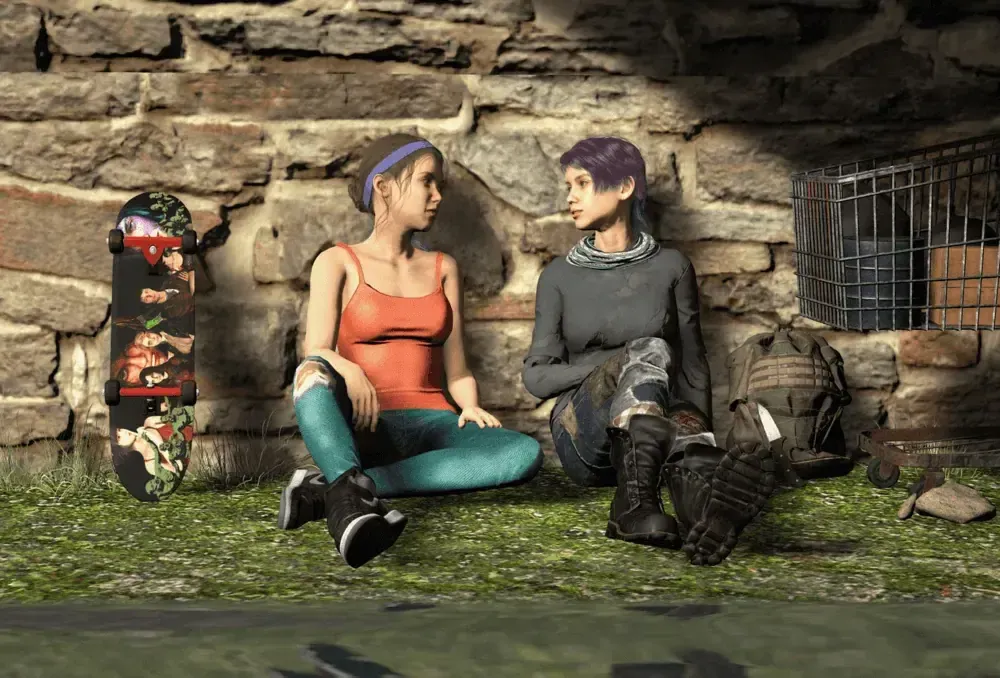
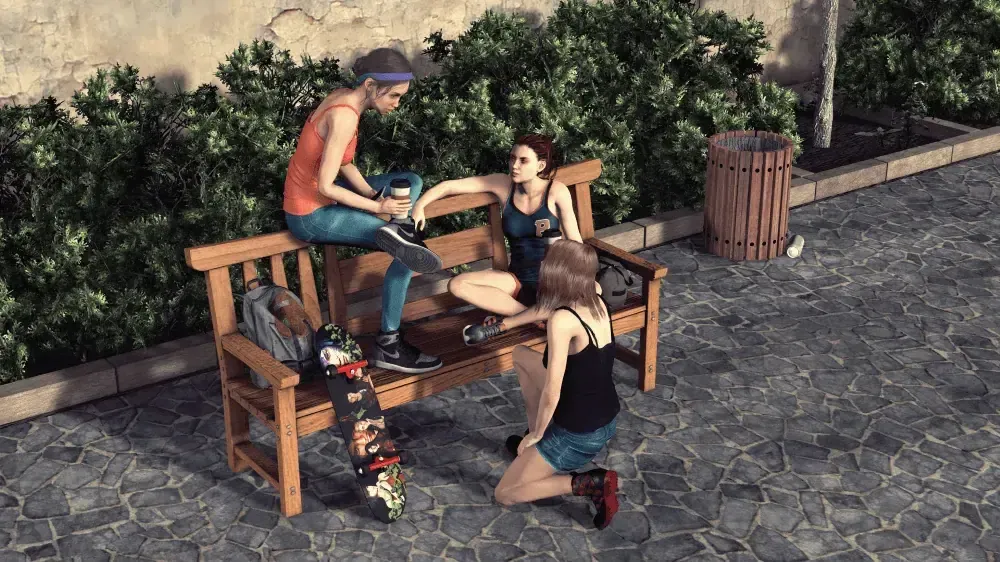
Short Sad Stories review
Dive into heartfelt narratives, choices, and player agency in Pent Panda’s poignant game
Have you ever played a game that left you with a lump in your throat, not from epic battles, but from quiet, aching moments? That’s Short Sad Stories, the visual novel by Pent Panda that pulls you into Alice’s world—a dreamy girl straddling reality and fantasy. This Final + DLC edition weaves intertwined tales of young adults facing dilemmas, relationships, and maturity in a bustling city. I remember my first playthrough; one simple choice about a photograph hit me harder than any blockbuster ending. In this guide, we’ll explore its narrative depth, interactive mechanics, and why it redefines emotional gaming. Whether you’re a visual novel fan or new to these heartfelt experiences, Short Sad Stories offers hope amid sorrow through your decisions.
What Makes Short Sad Stories Gameplay So Unforgettably Moving?
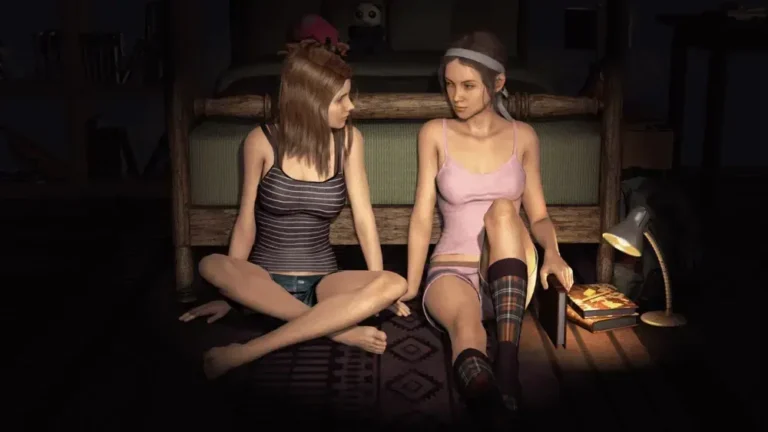
I still remember the moment it clicked. I was playing through Short Sad Stories for the first time, guiding Alice, and the game presented me with a simple prompt: “Place the photograph.” My cursor hovered over her childhood dresser, a space cluttered with forgotten trinkets. I could put it back in the drawer, hide it away, or set it proudly in the center, facing her bed. I chose the center. ☀️ That night, in the story, Alice looked at it before sleeping—a faded picture of a beach trip, all smiles and sunlight. The narrative didn’t change; her fate was already written. But my understanding did. That deliberate act of showcasing a lost happiness made the silence of her present feel so much heavier. This is the heart of Short Sad Stories gameplay: your agency isn’t about altering destiny, but about deepening your own emotional resonance with it. You’re not playing to win; you’re playing to feel.
This narrative driven game from Pent Panda asks a brave question: what if our choices don’t change the ending, but change us instead? It’s a poignant exploration that makes Short Sad Stories choices matter in the most introspective way possible.
How Player Choices Deepen Emotional Connections Without Changing Fate
The genius of player choices in Short Sad Stories is their focus on interiority. You will not get a “good” or “bad” ending screen. Instead, you sculpt your emotional journey through the fixed narrative. Think of it like visiting a memorial: you can’t change the event, but you can choose where to lay flowers, which name to linger on, and what memories to bring to the surface. Your decisions are tools for empathy.
These choices come in many forms, each peeling back a different layer of the story’s sorrow and beauty. They might be:
* Dialogue selections that shape the tone of a confrontation, making it either bitter or resigned.
* Environmental interactions, like my decision with the photograph, that allow you to curate the space and symbolism around a character.
* Exploration that uncovers optional notes, objects, and echoes of the past, filling in the heartbreaking gaps.
To see how this works, let’s break down the types of agency you have:
| Choice Type | Common In-Game Example | Primary Emotional Impact |
|---|---|---|
| Object Interaction | Choosing to repair a broken music box or leave it as is. | Builds empathy; defines your relationship to a character’s legacy and pain. |
| Dialogue Selection | Deciding to ask a probing question or offer silent support during a confession. | Shapes the story’s tone; intensifies either sorrow or a sense of shared burden. |
| Exploration & Discovery | Finding a hidden letter tucked inside a library book. | Reveals crucial backstory; adds layers of context that deepen narrative impact. |
My practical advice? Replay with a different heart. On a second playthrough, try making the opposite choices. Be avoidant instead of curious, hide memories instead of highlighting them. You’ll be amazed at how the same story can impart a completely different flavor of sadness. It mirrors life—our regrets often aren’t about what happened, but about how we engaged with it. This is what makes the Short Sad Stories gameplay loop so compelling and thoughtful.
Exploring Alice’s Journey Between Reality and Fantasy Worlds
At the core of this emotional visual novel is Alice, and understanding what is Short Sad Stories game often starts with her. 🌌 Alice is the dreamer, the one who sees the cracks between worlds. Her story is a fragile balancing act between a harsh, disappointing reality and the lush, symbolic landscapes of her imagination. In the real world, she might be the “hero returning empty-handed,” grappling with a failure that others dismiss. But in her fantasy world, that same journey is reframed with mythical stakes and shadowy companions.
Her chapters are masterclasses in metaphorical storytelling. That “shadowy friend” who accompanies her? They might represent a coping mechanism, a suppressed part of her personality, or a memory given form. The “open secret” her story hints at is the powerful, unspoken grief or disappointment that everyone senses but no one addresses. Playing through Alice Short Sad Stories segments feels like walking through a waking dream where every monster is a worry and every sanctuary is a cherished memory.
“The night is darkest just before the stars remember how to shine,” Alice narrates in one of her fantasy sequences. This quote encapsulates the delicate hope woven into her sorrow.
To fully connect with Alice, examine everything. Those trinkets in her room, the items in her backpack, the recurring symbols in her dreams—they are not just set dressing. They are pieces of a puzzle that, when assembled by you, the player, form a complete picture of her inner life. Your engagement with these details is what transforms her from a character you watch into one you profoundly understand.
Unpacking the Intertwined Stories of Friends and Hidden Secrets
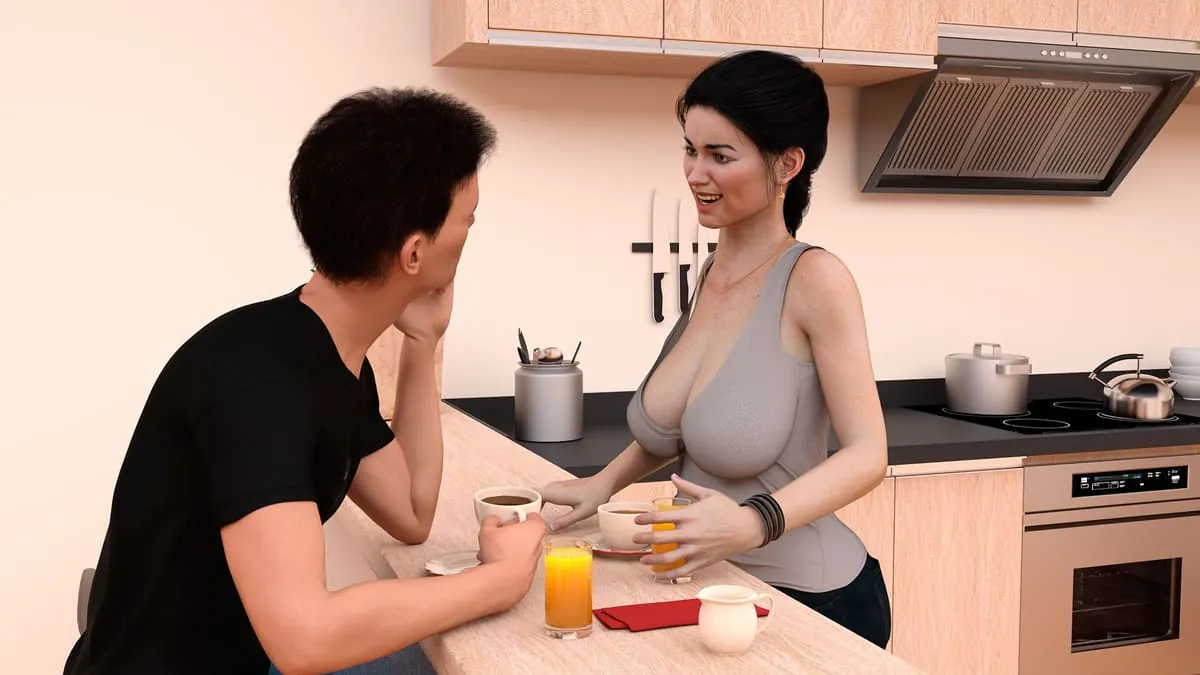
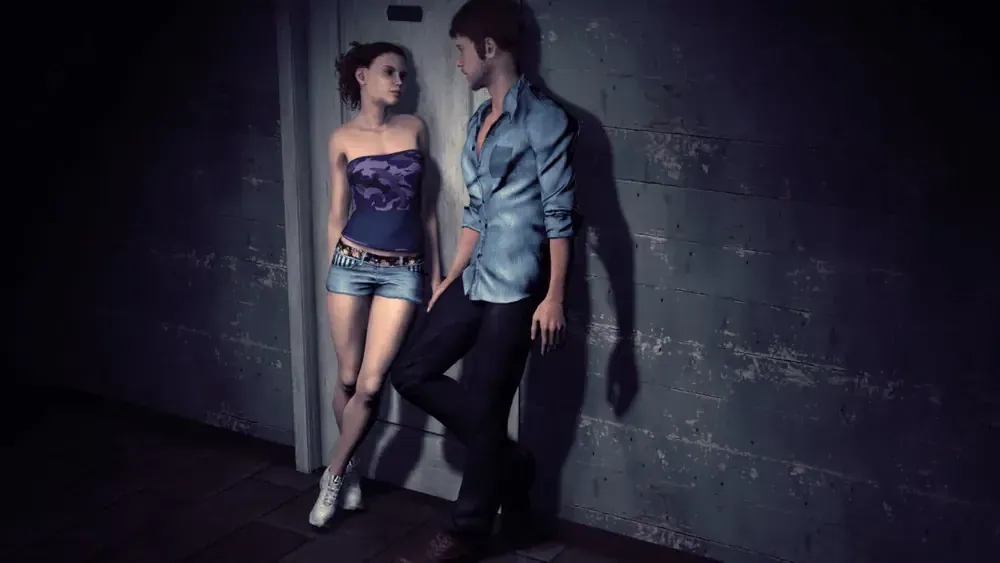
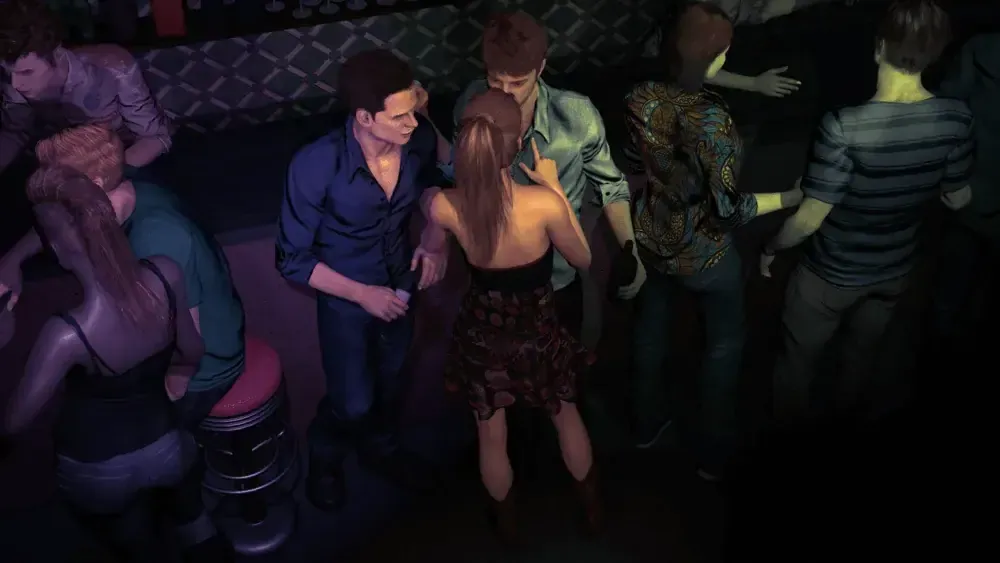
Short Sad Stories truly lives up to its plural name. Alice’s tale is just one thread in a richer tapestry. The game shifts perspectives to a group of young adults navigating a sprawling, often impersonal city. 👥 Here, the gameplay evolves slightly, focusing on the dilemmas, confrontations, and quiet misfortunes that nudge people toward maturity. One story might follow someone facing a professional betrayal, another grappling with a fading friendship, and another with a family obligation that stifles their dreams.
The magic is in the subtle intertwining. A café one character frequents might be where another works a double shift. A song playing on the radio in one chapter could be the same song another character was writing earlier. You, as the player, become the sole bearer of this full, connective tissue. You see the hidden secrets they keep from each other, the coincidences they miss, and the small acts of kindness that ripple further than they know. This structure masterfully reinforces the core theme: sadness is often a solitary experience, but we are all part of a larger, shared story of growth.
The Final + DLC version of the game enriches this further with expanded endings. While the crucial narrative beats remain, these new endings offer more closure, deeper insights, and alternative emotional resolutions for the group. It’s not about changing their futures, but about giving you, the player, a more complete lens through which to view their past and present.
In the end, Short Sad Stories is revolutionary for the emotional visual novel genre because it redefines power. It takes the classic promise of “your choices matter” and matures it. The power here isn’t over the story’s destination, but over the depth of your own journey through it. It’s a brave, poignant, and unforgettable experience that lingers not because of what you changed, but because of what you chose to feel along the way.
Short Sad Stories lingers long after the credits roll, transforming simple interactions into profound reflections on life, loss, and growth. From Alice’s blurred worlds to the group’s raw struggles, Pent Panda crafts a visual novel where your choices invite you to feel deeply, not just play. I walked away changed, appreciating the beauty in inevitable sorrow and quiet hope. If heartfelt stories with meaningful agency call to you, download the Final + DLC version today and let it touch your heart. Share your own emotional moments from the game in the comments—what choice hit you hardest?