The Theater of Sinners
Play The Theater of Sinners
The Theater of Sinners Screenshots
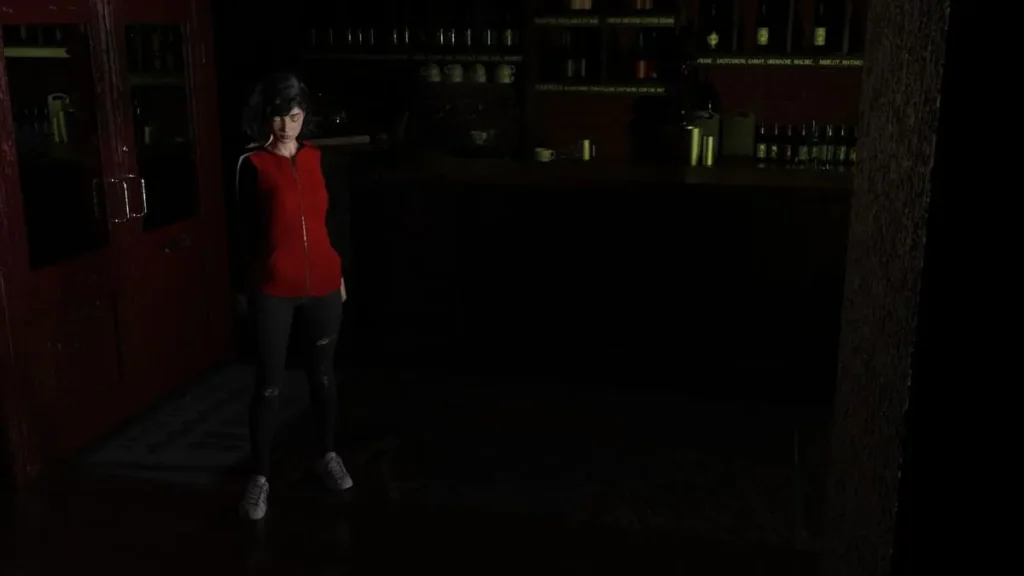
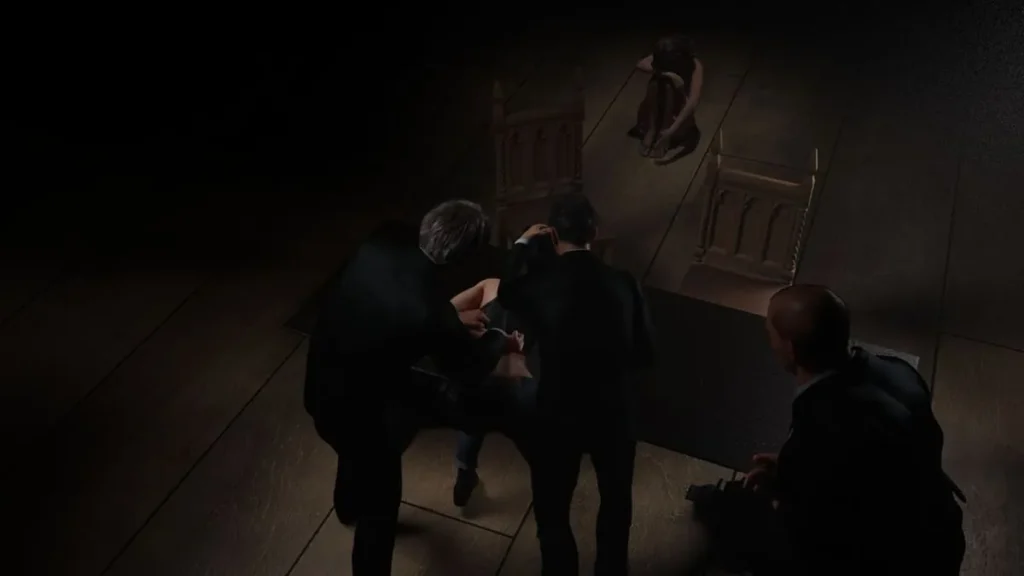
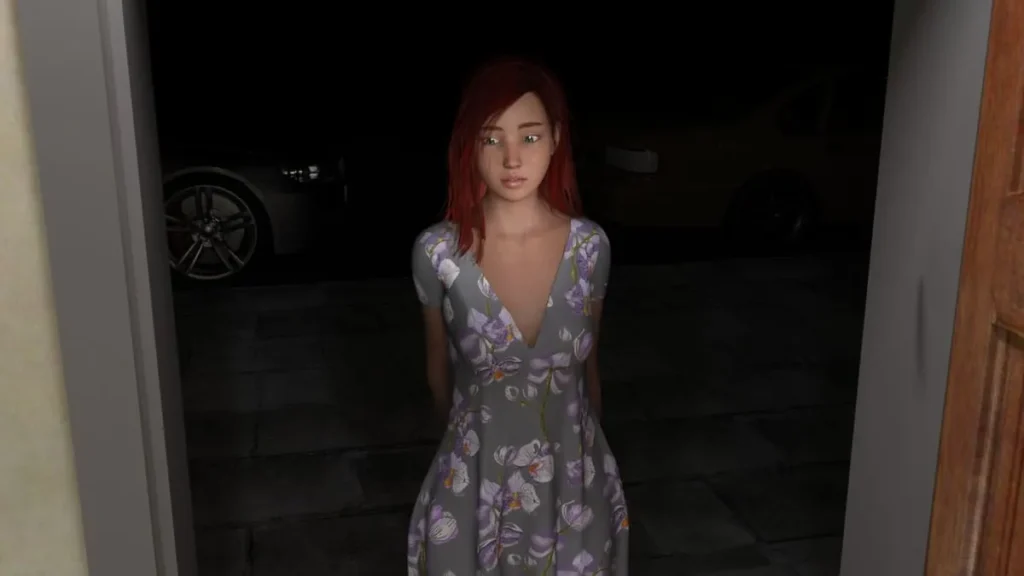
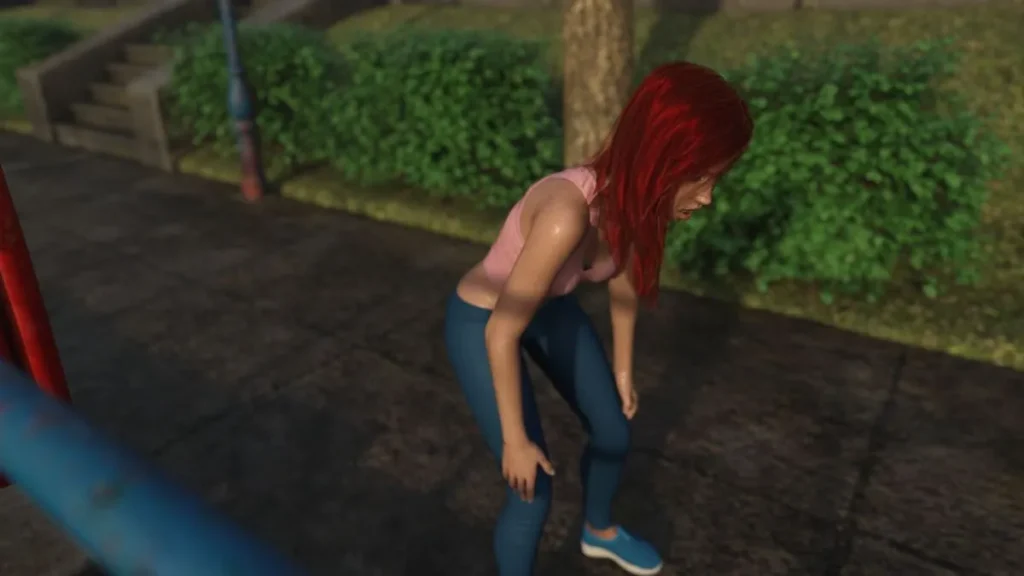
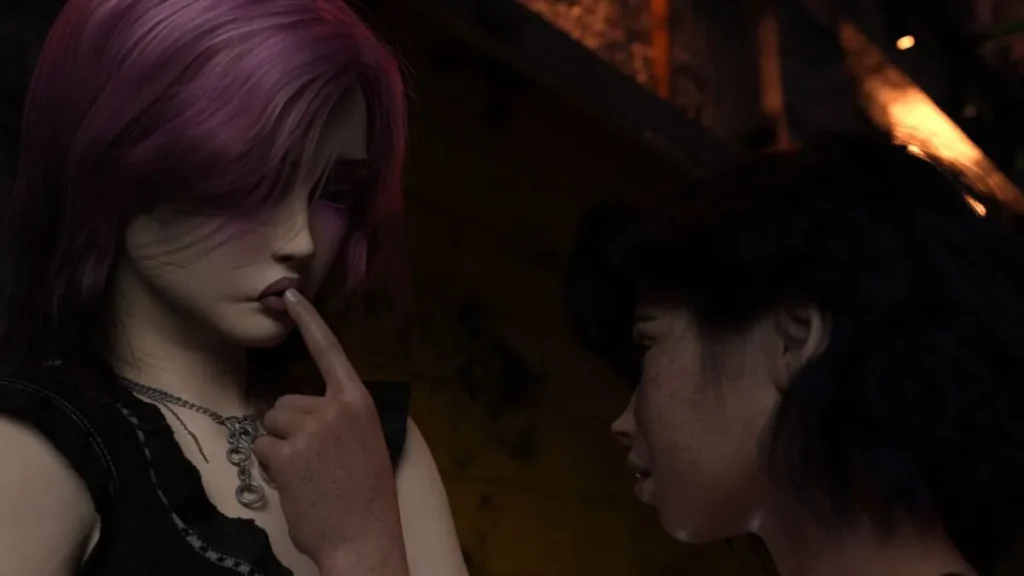

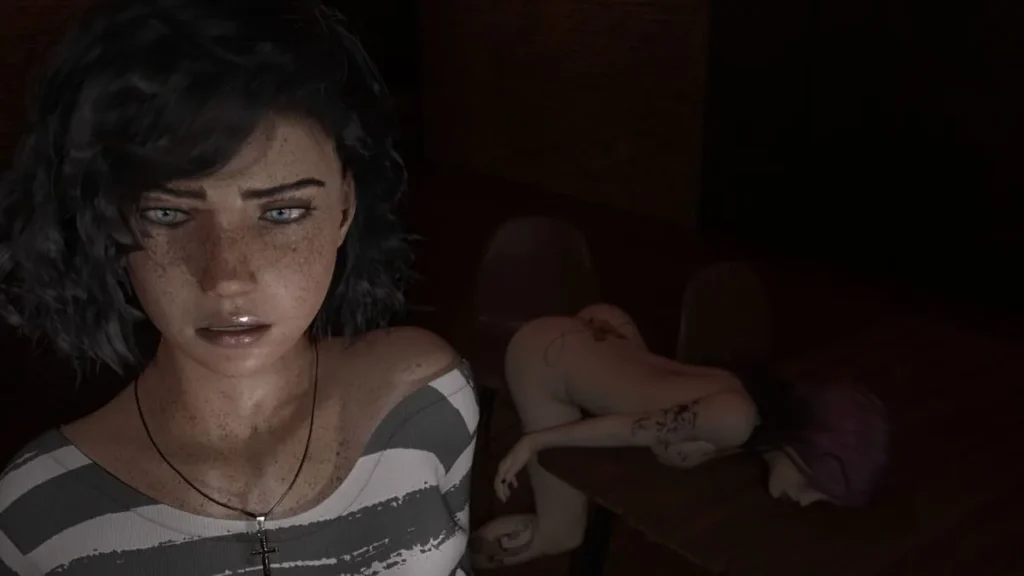


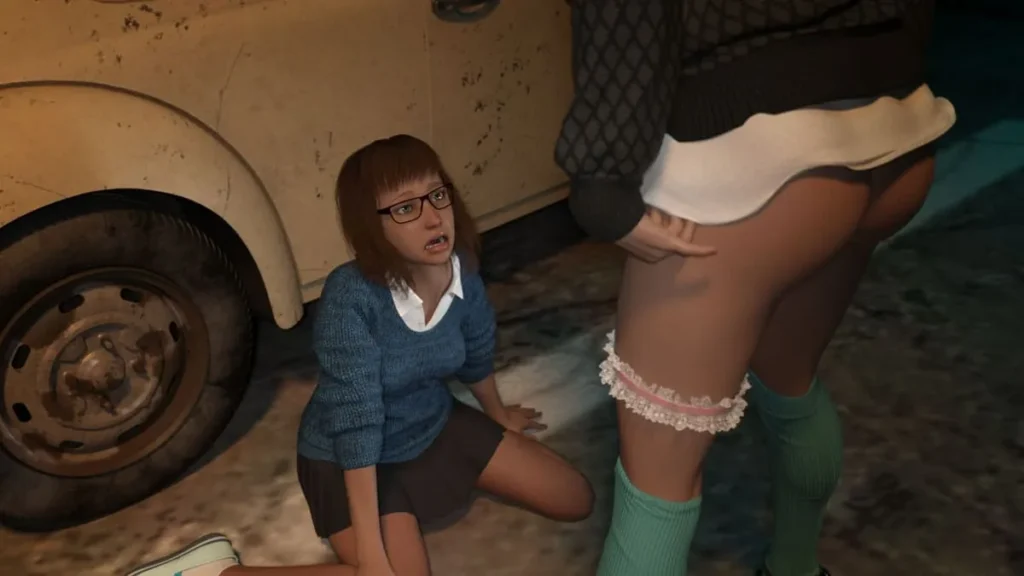

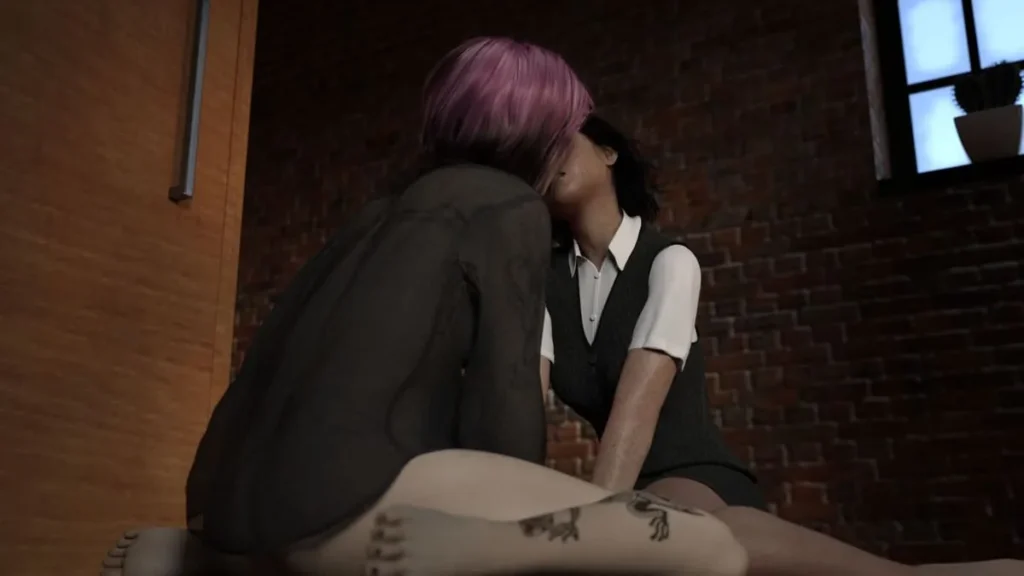
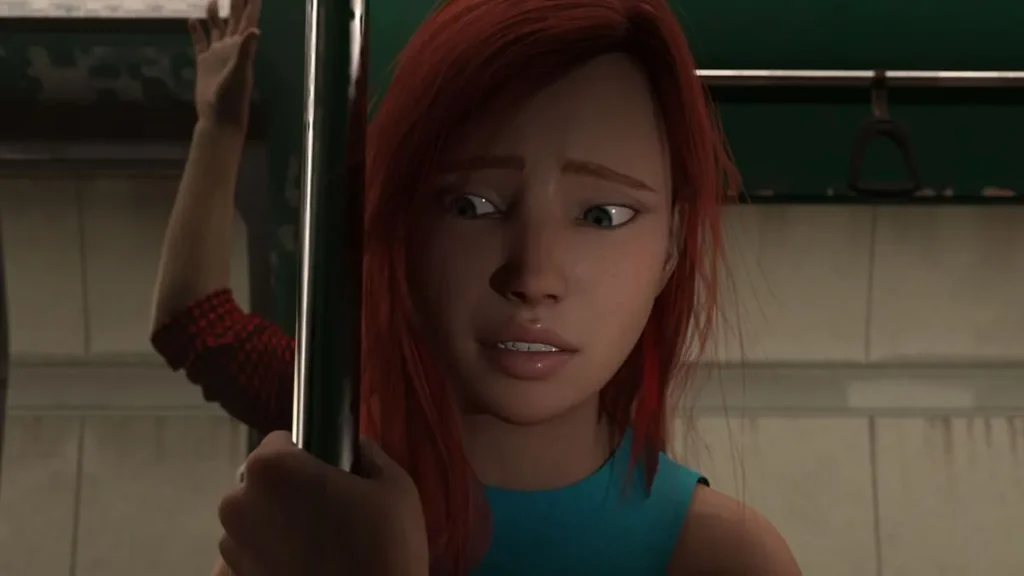


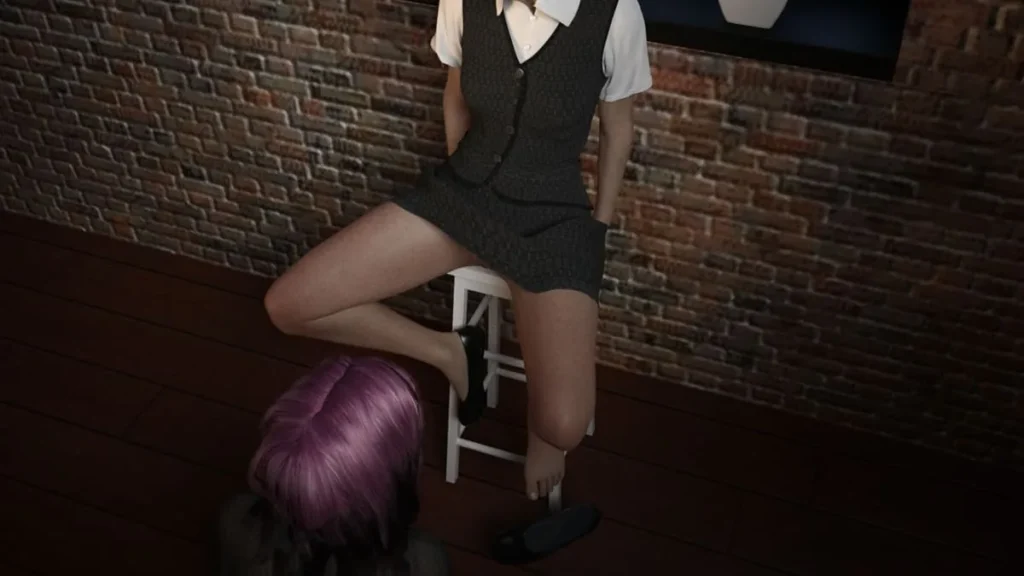
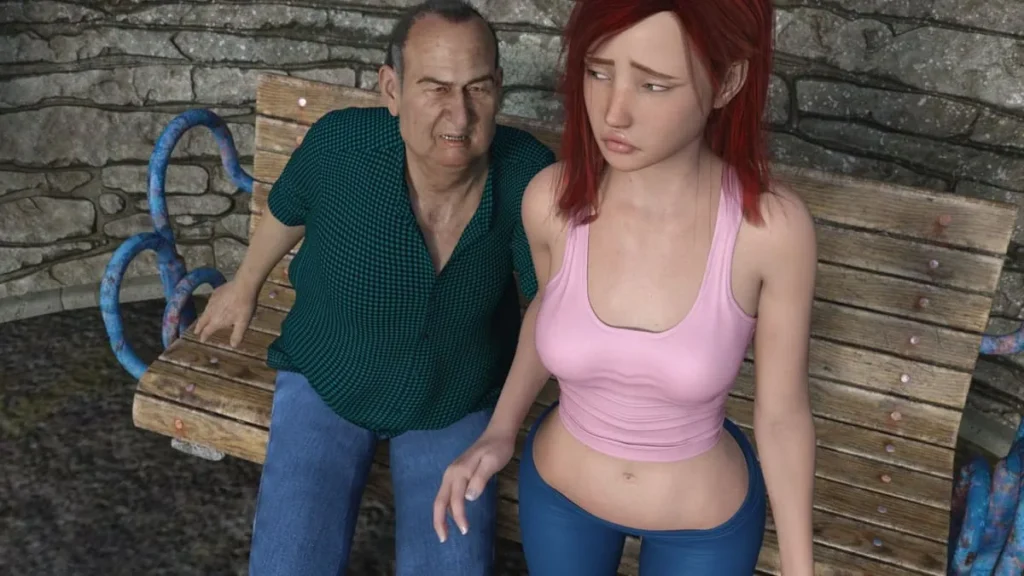
The Theater of Sinners review
Exploring the narrative, characters, and psychological depth of this unique porn game
Welcome to an immersive exploration of ‘The Theater of Sinners,’ a groundbreaking adult visual novel that has captivated players with its intricate narrative and psychological depth. Unlike conventional porn games, this title prioritizes storytelling, moral ambiguity, and character-driven decision-making, creating an experience that challenges players to engage meaningfully with its dark, morally complex world. Set in a fictional parallel universe with paranormal elements, the game follows four protagonists grappling with trauma, abuse, and personal redemption. Whether you’re drawn to its gripping storyline, its unique Ren’Py mechanics, or its exploration of grey morality, ‘The Theater of Sinners’ offers a rich, thought-provoking journey that stands apart in the adult gaming landscape.
Understanding the Storyline and World of The Theater of Sinners
What Is the Core Premise of The Theater of Sinners?
Imagine stepping into a world where the line between reality and nightmare dissolves, and every choice you make pulls you deeper into a web of sin and salvation. That’s exactly the hook of The Theater of Sinners. At its heart, this adult visual novel throws you into a parallel universe—a distorted version of our own, dripping with paranormal undertones. Here, four protagonists grapple with trauma, abuse, and the faint hope of redemption. You’re not just watching from the sidelines; you’re pulling the strings, shaping their fates through decision-driven gameplay that feels personal, raw, and unflinchingly honest. 🎭
The Theater of Sinners storyline kicks off in a city that feels both familiar and alien. Think of it as a stage where each character is both actor and audience, forced to confront the darkest corners of their past. The world is built on corruption and degradation, but it’s not gratuitous—every grim detail serves the narrative. For me, what makes this premise stand out is how it refuses to offer easy answers. You’ll meet Paula, a woman trapped under the thumb of her all-mighty father, and Rebeca, who’s on a brutal journey of self-discovery. Their stories intertwine, and the psychological depth The Theater of Sinners explores is nothing short of gripping.
To help you get a clearer picture of these four protagonists, here’s a quick breakdown:
| Protagonist | Background | Core Struggle | Key Relationship |
|---|---|---|---|
| Paula | Daughter of a powerful, oppressive patriarch | Breaking free from emotional and physical control | Her all-mighty father (antagonist and enabler) |
| Rebeca | Young woman haunted by a troubled past | Self-discovery amid abuse and societal judgment | A mysterious mentor figure (guiding or misleading?) |
| Lucas | Former soldier with trauma from war | Overcoming guilt and finding purpose | A corrupted authority figure (temptation and rivalry) |
| Clara | Artist struggling with addiction and loss | Reclaiming her creativity and identity | A childhood friend (enabler or savior?) |
Each character brings a unique flavor to the Theater of Sinners narrative, and their interwoven arcs create a tapestry of pain and possibility. The world-building here isn’t just backdrop—it’s a living entity that reflects their inner turmoil. 🏚️
How Does the Parallel Universe Shape the Narrative?
Now, let’s talk about the elephant in the room—or rather, the alternate reality. The parallel universe The Theater of Sinners presents isn’t a gimmick; it’s the engine that drives the story forward. In this version of Earth, paranormal events are woven into everyday life. Shadows move on their own, voices echo from nowhere, and the very fabric of reality seems to bend around the characters’ emotions. It’s like the world itself is reacting to their pain. 🌌
For example, early in the game, you’ll witness a scene where Paula’s father exerts control not just through words, but through literal manipulation of the environment—walls crack, lights flicker, and the air grows thick. This isn’t just visual flair; it’s a narrative tool that amplifies the psychological depth The Theater of Sinners achieves. The Theater of Sinners world-building uses this parallel dimension to mirror the characters’ fractured minds. When Rebeca starts to reclaim her power, the universe around her brightens, but only slightly—because redemption here is never clean.
What I love about this setup is how it enforces moral ambiguity. In the Theater of Sinners storyline, you can’t rely on conventional notions of good and evil. A decision that helps one character might damn another. The parallel universe amplifies these consequences. For instance, choosing to side with Paula’s father might give you temporary advantages, but it corrupts the world further, making it more hostile for everyone. The narrative structure is deliberately non-linear—you’ll jump between the four protagonists, seeing events from different angles, and each playthrough reveals new layers. It’s decision-driven storytelling at its most immersive, and it never lets you forget that your choices have weight. ⚖️
Why Is Moral Ambiguity Central to The Theater of Sinners Storyline?
If there’s one theme that defines this game, it’s moral ambiguity The Theater of Sinners embodies so well. The developers don’t hand you a clear villain or hero. Instead, they present a cast of broken people doing terrible things for understandable reasons—and you have to decide where your loyalty lies. It’s uncomfortable, and that’s the point. 😈
Take Paula’s relationship with her father. He’s a monster, no doubt—abusive, controlling, manipulative. But as you dig deeper through the Theater of Sinners narrative, you uncover why he became that way. Maybe he was shaped by the same corrupt world that now traps Paula. Does that excuse his actions? Absolutely not. But it forces you to see him as a product of the system, not just a cardboard villain. Similarly, Rebeca’s journey of self-discovery involves making choices that blur lines—she might steal, lie, or even hurt someone innocent to protect herself. The game asks: Is she justified? There’s no right answer.
This moral ambiguity The Theater of Sinners cultivates is reinforced by the decision-driven The Theater of Sinners gameplay mechanics. Every choice branches into multiple outcomes, and the game tracks your moral alignment not as a simple good/bad scale, but as a spectrum. You might aim for redemption, but the path is riddled with compromises. For example, early on, you can choose to help Lucas by giving him a weapon, but that weapon might later be used in a way that horrifies you. The consequences ripple through the Theater of Sinners storyline, making each playthrough feel fresh.
The psychological depth here is staggering. By weaving trauma, abuse, and redemption into a parallel universe, the game explores how people cope when the rules of reality are broken. It’s not just about sex or violence—it’s about the human condition under extreme pressure. And that’s what makes The Theater of Sinners stand out in the adult visual novel genre. It challenges you to sit with discomfort, to question your own morality, and to realize that sometimes, the most sinful choices are the ones that feel right. 🔥
In summary, ‘The Theater of Sinners’ stands out as a unique adult visual novel that prioritizes narrative depth, psychological complexity, and moral ambiguity over conventional gameplay mechanics. Its story of degradation, corruption, and brutality in a morally grey world offers players a thought-provoking experience that challenges them to engage meaningfully with its characters and themes. Whether you’re drawn to its intricate storyline, its decision-driven mechanics, or its exploration of trauma and redemption, this game delivers a rich, immersive journey that transcends the typical adult gaming landscape. If you’re ready to dive into a world where good and evil are difficult to distinguish, ‘The Theater of Sinners’ is a must-play experience that will leave a lasting impact.