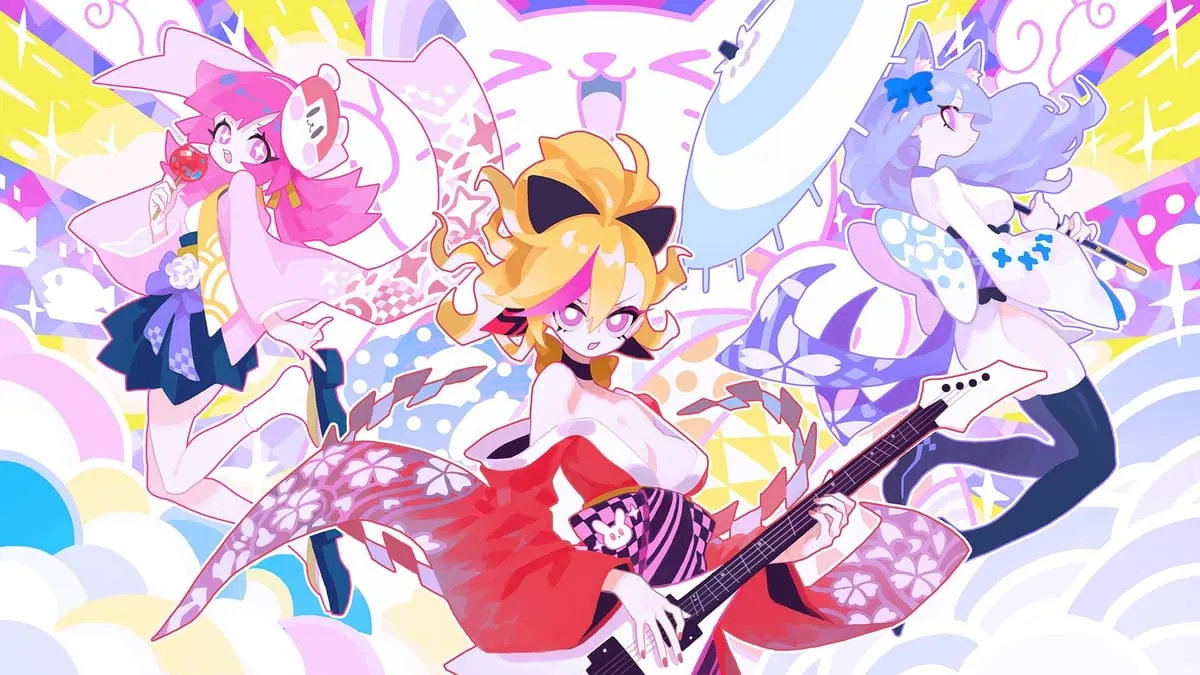
Muse Dash Screenshots
Muse Dash review
Exploring the rhythm game that combines music, action, and anime aesthetics
Muse Dash stands out as a unique rhythm game that blends traditional music gameplay with action-packed combat mechanics. Originally launched as a mobile app before expanding to Steam and Nintendo Switch, this anime-themed title has captured the attention of rhythm game enthusiasts worldwide. The game combines upbeat music, primarily Chinese pop tracks, with fast-paced enemy combat and obstacle dodging. Players control characters through various stages while attacking enemies and collecting points in sync with the music. With its colorful visual design, multiple playable characters, and extensive customization options, Muse Dash offers an engaging experience for both casual players and hardcore rhythm game fans. This comprehensive guide explores everything you need to know about the game’s mechanics, features, and what makes it a standout title in the rhythm game genre.
Understanding Muse Dash Gameplay Mechanics
Ever picked up a rhythm game and thought, “This is fun, but what if I could also punch a robot in the face to the beat?” That’s the exact, wonderfully chaotic vibe Muse Dash delivers. It throws out the standard note highway and replaces it with a side-scrolling runner where every enemy is a note and every attack is your hit. It’s a glorious mash-up that feels less like hitting keys and more like conducting a symphony of controlled violence. 🎵👊
If you’re trying to understand the heart of this game, you need to look at its Muse Dash gameplay mechanics. They’re deceptively simple to learn but incredibly deep to master, creating that “just one more try” feeling that lasts for hours. Let’s break down exactly what makes this rhythm game action combat so special.
How the Core Gameplay Works
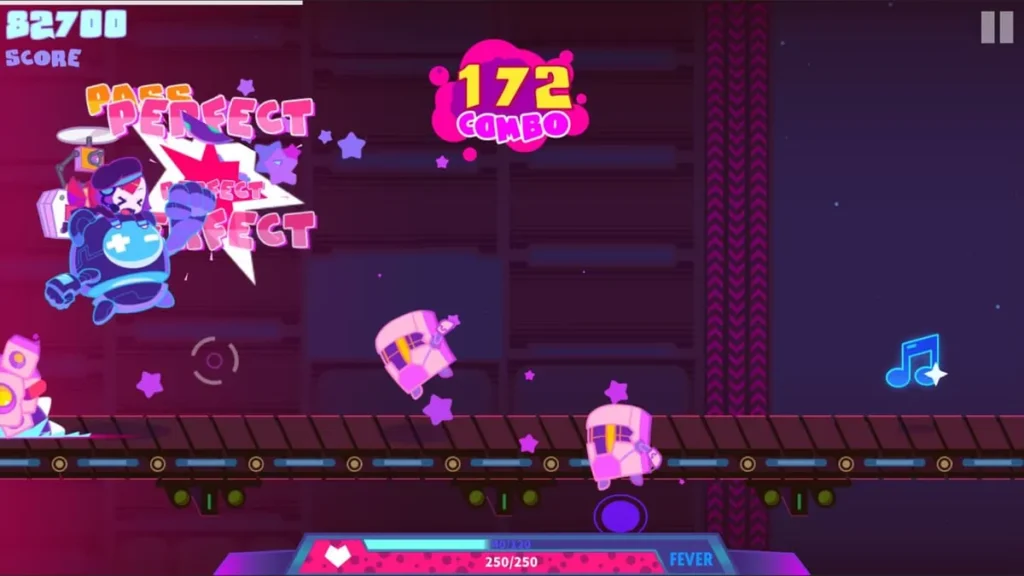
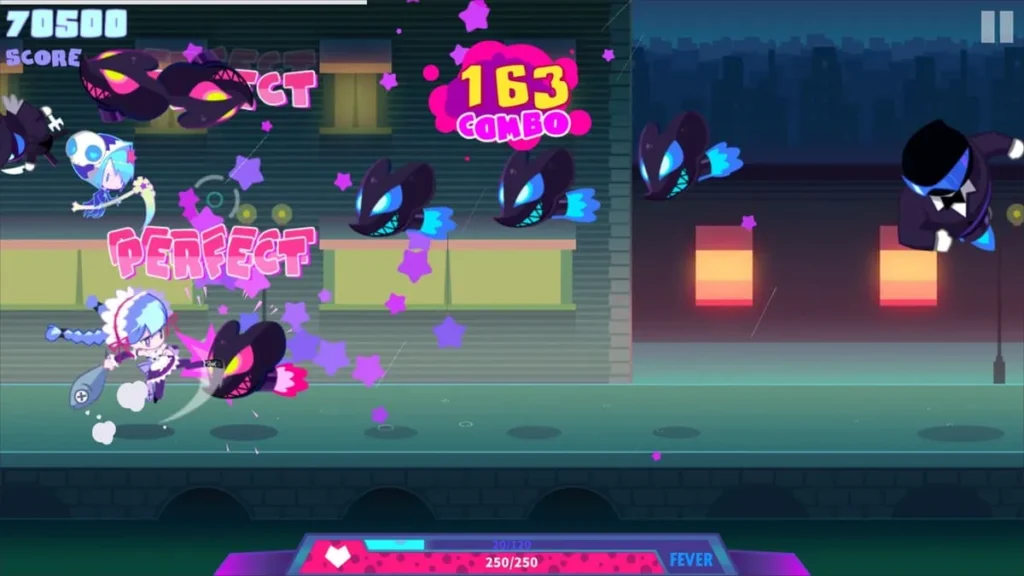
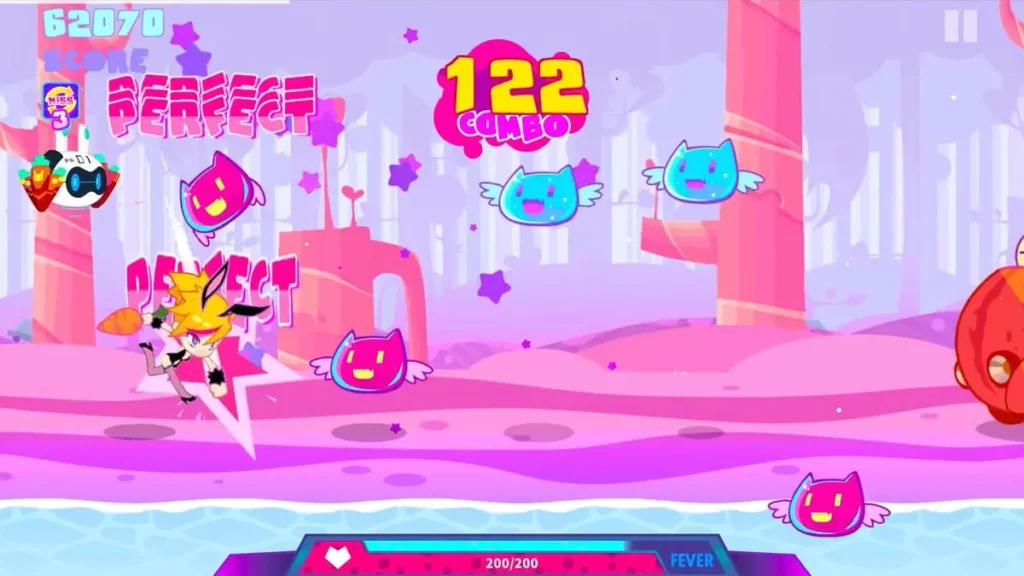
Forget everything you know about four-lane note charts or complicated guitar fretboards. The core loop of how to play Muse Dash is beautifully straightforward. You control a character automatically running from left to right across a vibrant, ever-changing stage. Your job is to handle everything coming at you, which falls into two categories: enemies on the ground, and enemies or obstacles in the air.
You have just two primary inputs, and they are everything:
* The Ground Button (or Key): This lets your character attack low. Use it to defeat ground-based enemies and slide under certain overhead obstacles.
* The Air Button (or Key): This makes your character jump and attack. Use it to hit airborne foes and to leap over ground-based traps.
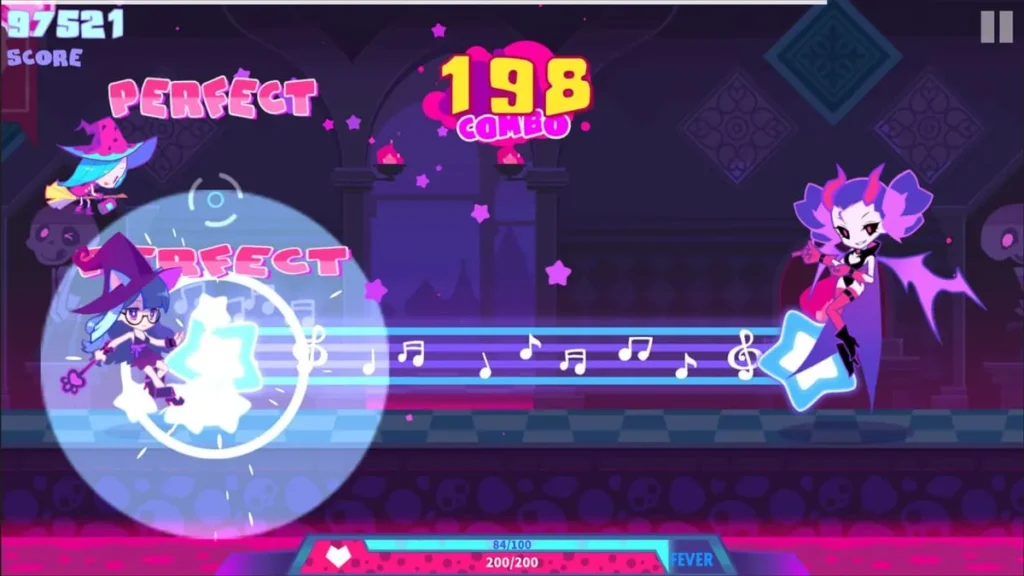
The genius is in the timing. Every single enemy and obstacle appears in perfect sync with the music’s rhythm. A snare drum hit might coincide with a ground enemy, while a soaring synth line brings a wave of aerial foes. You’re not just matching colors or positions; you’re actively fighting the song. This is where the rhythm game action combat truly shines—it transforms passive listening into an active, physical performance.
Here’s a quick step-by-step guide to the basic actions:
- See a ground enemy? Tap the ground button on the beat to whack it!
- See an airborne enemy or a pink “Heart” note? Tap the air button to jump and strike it.
- See a line of spikes on the ground? Press the air button to hop over them.
- See a low ceiling or a purple bar? Press the ground button to slide under it.
It sounds easy, and for the first few songs, it is. But soon, the game starts mixing these elements at breakneck speed. You’ll need to alternate buttons rapidly, hold slides, and make split-second decisions. I remember my first attempt at a harder song—my brain short-circuited as I tried to process a ground enemy, an air enemy, and a slide obstacle all within half a second. It was a beautiful, failing mess. 😅
This approach means success isn’t about memorizing complex finger patterns, but about developing an innate sense of rhythm and razor-sharp reflexes. You internalize the song and react, turning the gameplay into a dance of destruction.
Character Abilities and Selection
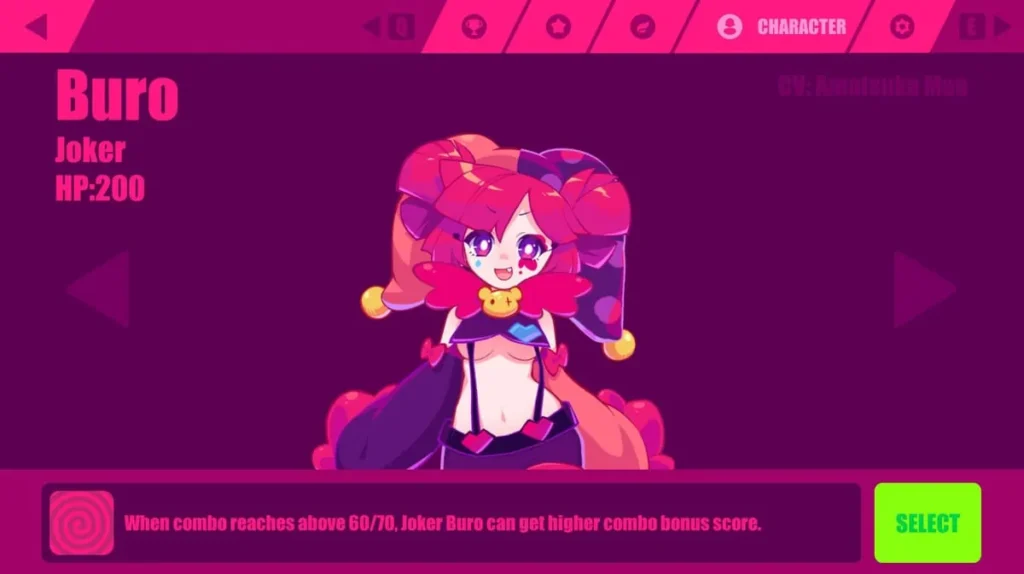
One of the most delightful parts of mastering the Muse Dash gameplay mechanics is choosing your partner in crime. The game features a roster of charming characters, each with their own flair and, most importantly, unique strategic benefits. While there are numerous costume designs to unlock (which are absolutely worth collecting for the style points 🎀), they are built upon three base characters: the energetic Rin, the cool Buro, and the magical Marija.
Each character and their costumes come with a specific Elf companion, and this duo is what defines your abilities. Your choice directly shapes your playstyle and goals for a run. Broadly speaking, the Muse Dash characters abilities fall into two camps: those geared toward chasing a high score, and those focused on helping you survive.
Want to climb the leaderboards? Pick a score-focused build. Just trying to clear that brutally tough song for the first time? A survival-focused character is your best friend. This choice adds a fantastic strategic layer on top of the core reflex test.
To help you pick your perfect partner, here’s a breakdown of some key characters and their abilities:
| Character (Base) | Costume Example | Primary Ability | Focus |
|---|---|---|---|
| Rin | Bunny Girl Rin | Score increases by 11% for every 100 combo, but you take double damage. | High-Risk Scoring |
| Rin | Sleepwalker Rin | Automatically collects all Heart notes. Great for beginners! | Survival / Learning |
| Buro | Little Devil Buro | Gain a 21% score bonus, but you can only achieve “Great” hits (no “Perfect”). | Consistent Scoring |
| Buro | DJ Buro | Start with 100 combo and the Fever gauge already full. | Scoring & Momentum |
| Marija | Angel Style Marija | Recover a bit of health for every “Perfect” hit you land. | Survival / Endurance |
| Marija | Robot Girl Marija | Your final score is multiplied by 4, but you instantly fail if you miss a single note. | Ultimate Precision Scoring |
My personal journey started with Sleepwalker Rin. Her auto-collect ability was a lifesaver while I was learning the ropes. But once I got comfortable, I switched to Little Devil Buro for that sweet, consistent score boost. Experimenting with different Muse Dash characters abilities is a huge part of the fun and replayability. There’s a thrill in tailoring your loadout to your personal goal for each play session.
Difficulty Modes and Stage Progression
Muse Dash is a masterclass in welcoming players of all skill levels while offering a brutal challenge to those who seek it. This is all governed by its brilliant system of Muse Dash difficulty modes and the structure of its Muse Dash stage progression.
You won’t find a traditional world map here. Instead, you have access to a massive song list from the start. Progression is about personal achievement: unlocking new illustrations, characters, and costumes by earning trophies for completing songs under specific conditions. The real journey is through the difficulty levels, which completely transform each track.
Let’s talk about the difficulties, because they are the true engine of the game:
- Easy: The perfect starting point. The note chart is forgiving, focusing on the song’s main rhythm. It’s your space to learn the Muse Dash gameplay mechanics, enjoy the music, and vibe with the anime aesthetics without too much pressure.
- Hard: This is where the game truly begins for most. The density of enemies and obstacles increases significantly, requiring faster reflexes and more precise timing. Most of the game’s content feels designed with this mode in mind.
- Master: Consider this the “true” version of the song. The chart is extremely dense and often includes complex patterns that test your limits. This is where the rhythm game action combat becomes an intense martial art.
- Hidden (Once Unlocked): A cruel and wonderful twist. The entire chart is, as the name suggests, hidden. You must rely entirely on your memory and feel for the music. It’s the ultimate test of mastery.
Your Muse Dash stage progression is measured by your ability to conquer these tiers. A typical player’s path might look like this: Clear a song on Easy to understand its flow. Move to Hard and struggle, but eventually achieve a full combo. Build the courage to try Master, fail repeatedly, practice, and finally claim victory. Each step feels monumental.
The difficulty doesn’t just add more enemies; it changes their placement to match more intricate layers of the music. A quiet synth line you barely noticed on Easy might spawn a tricky sequence of aerial notes on Master. This design encourages you to listen to the music more deeply, which is a hallmark of a great rhythm game.
Crucial to this progression is the brilliant Muse Dash combo system. Your combo counter builds with every successful hit and breaks on a miss. But it’s more than just a number. Maintaining a high combo:
* Boosts your score significantly.
* Charges your Fever Gauge. Fill it up, and you’ll activate Fever Time, which doubles your score and often simplifies the stage for a brief, glorious period.
* Feels incredibly satisfying. There’s a tangible rush when you see that combo counter climb into the hundreds, syncing perfectly with the song’s climax.
Understanding the Muse Dash combo system is key to moving from simply clearing stages to truly mastering them. It’s the link between raw survival and skillful performance. Whether you’re using a character that benefits from long combos or just trying to survive a tough section, that counter on the screen is your heartbeat within the song.
In the end, Muse Dash pulls off a magic trick. It takes the simple premise of “hit things in time with music” and expands it into a rich, strategic, and deeply rewarding experience through its character choices, demanding difficulty levels, and clever progression hooks. You start by learning how to play Muse Dash, and before you know it, you’re analyzing song patterns, optimizing character builds, and chasing that one perfect run on Master difficulty. It’s a journey that’s as much about growing your own skills as it is about unlocking the game’s vibrant content.
Muse Dash represents a refreshing take on the rhythm game genre by successfully merging traditional music gameplay with action-combat mechanics. The game’s vibrant anime aesthetic, diverse character roster, and accessible difficulty options make it appealing to both casual players and rhythm game enthusiasts. Available across multiple platforms from mobile to console, Muse Dash offers flexible ways to experience its unique blend of gameplay styles. The extensive customization options and unlockable content provide long-term engagement for dedicated players. Whether you’re drawn to the upbeat Chinese pop soundtrack, the fast-paced combat mechanics, or the charming visual design, Muse Dash delivers substantial entertainment value at a budget-friendly price point. For anyone interested in rhythm games that break the traditional mold, Muse Dash deserves consideration as part of your gaming library.